2025 Field Season Update

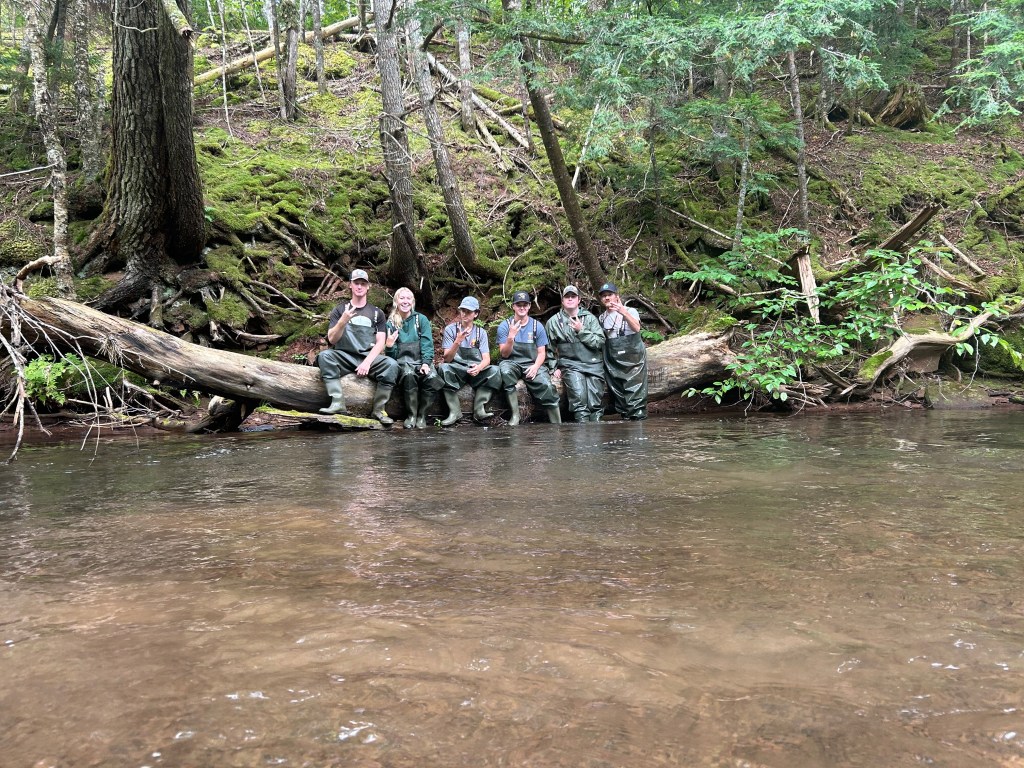
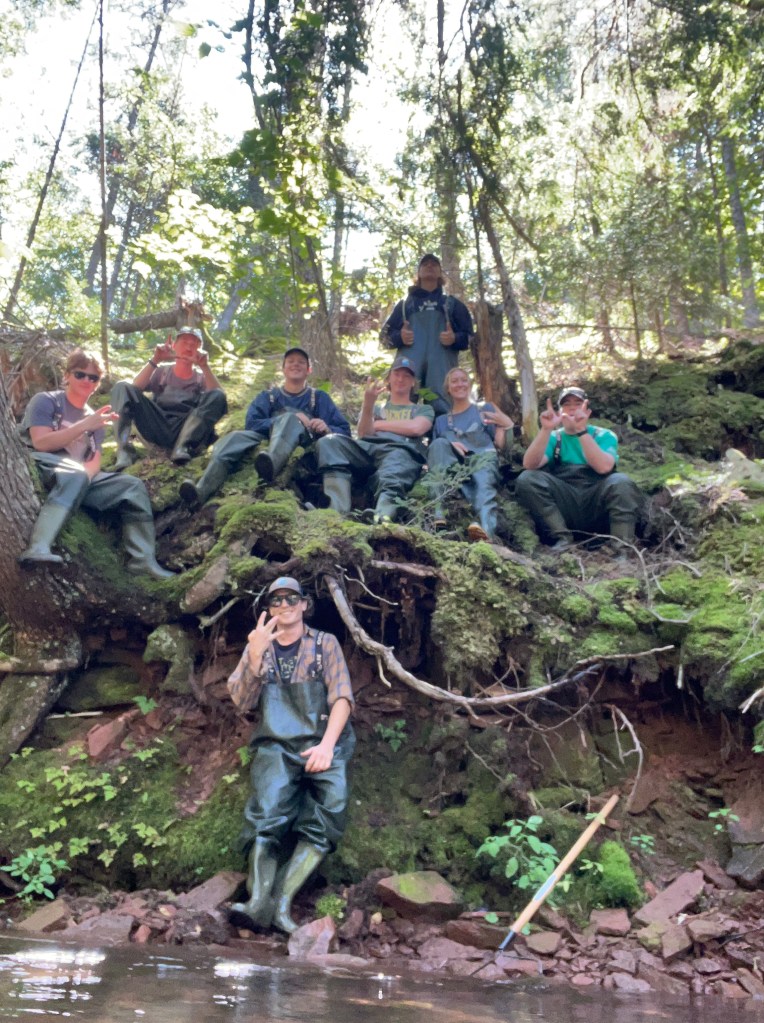
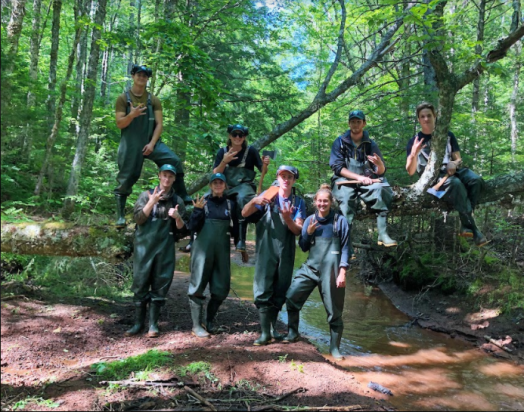
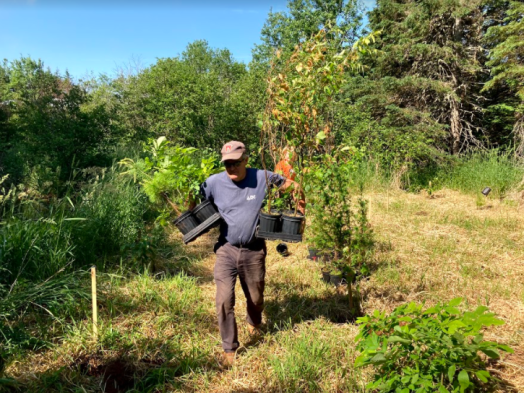
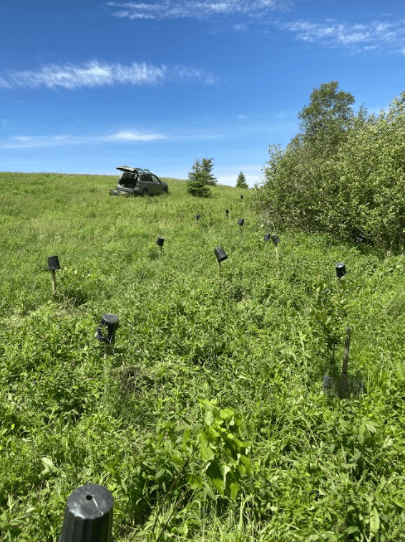
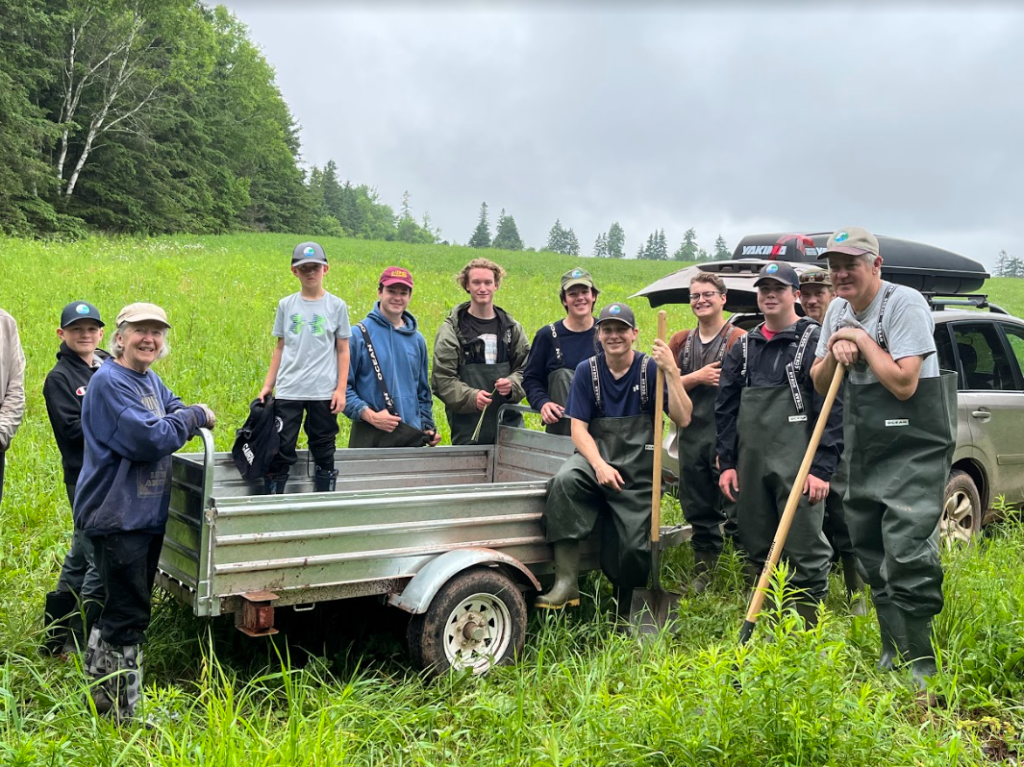
This field season was definitely one for the books! We took on some very interesting projects this summer, and we are so grateful for our summer students who make it all possible.

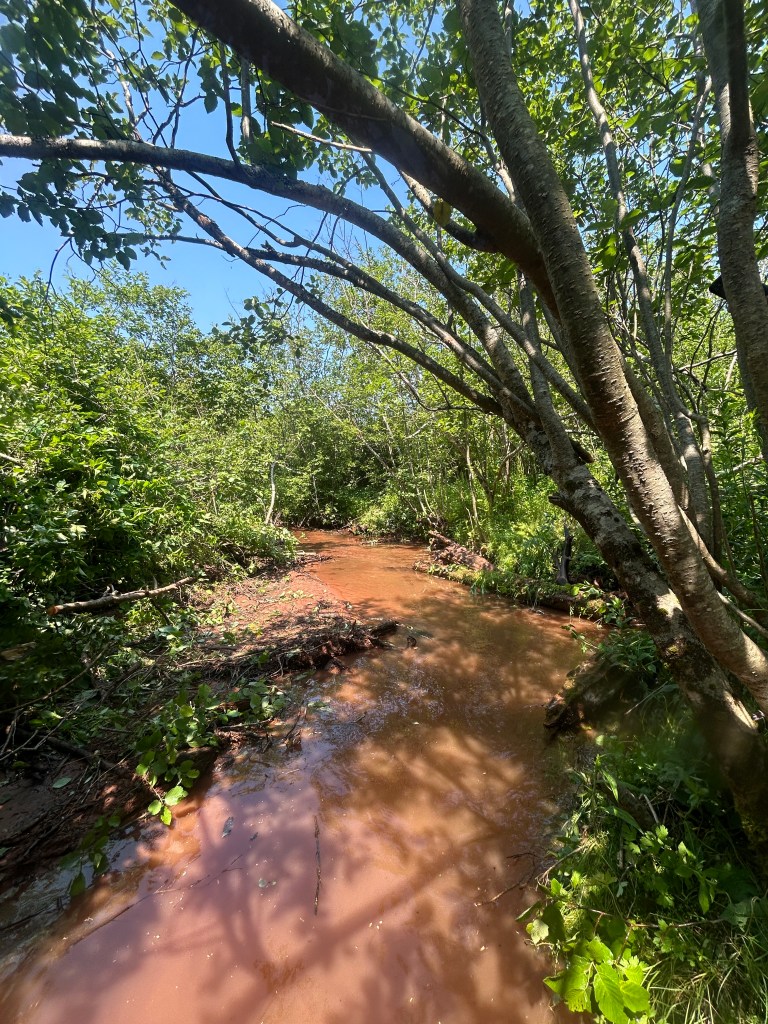
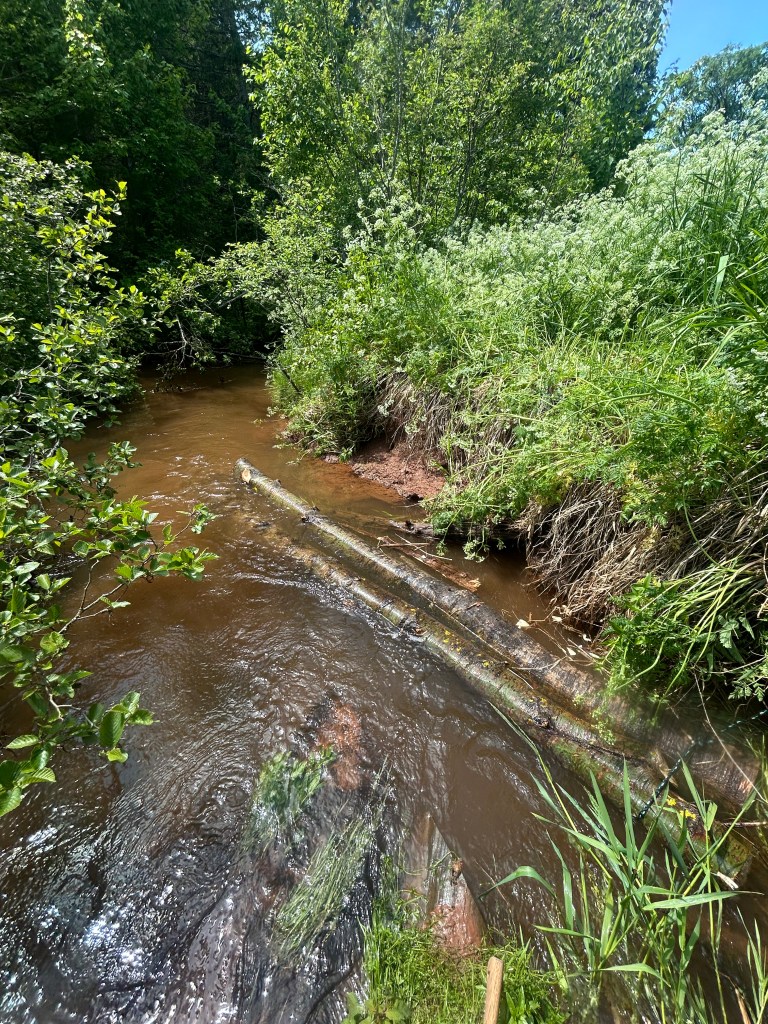
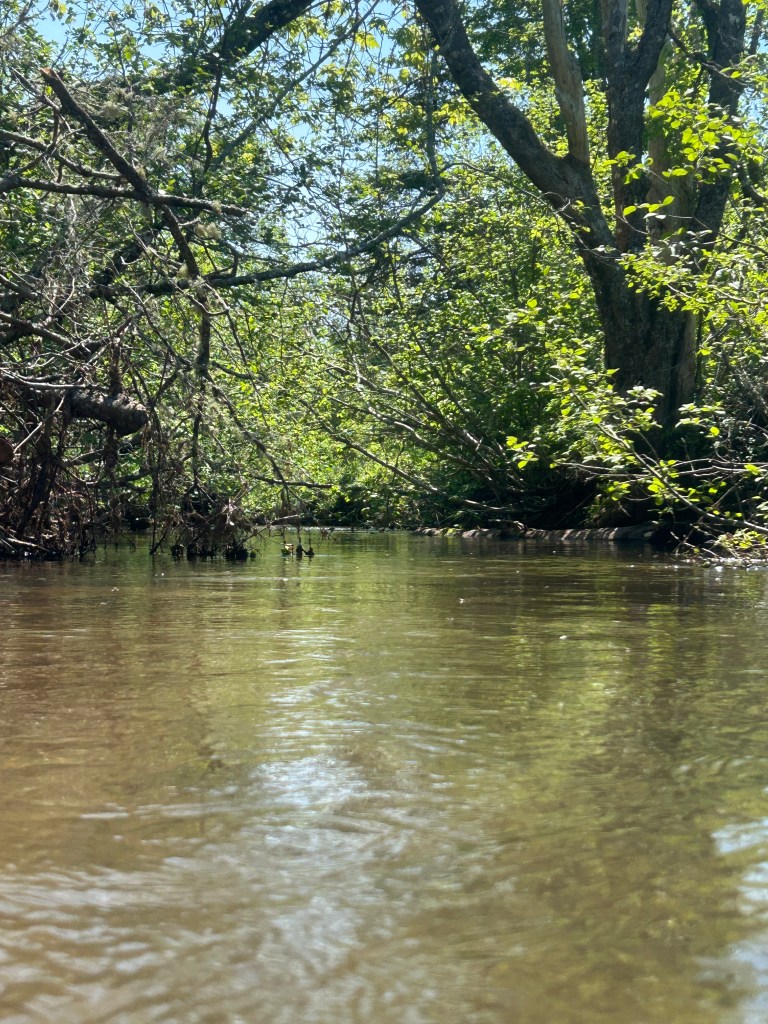
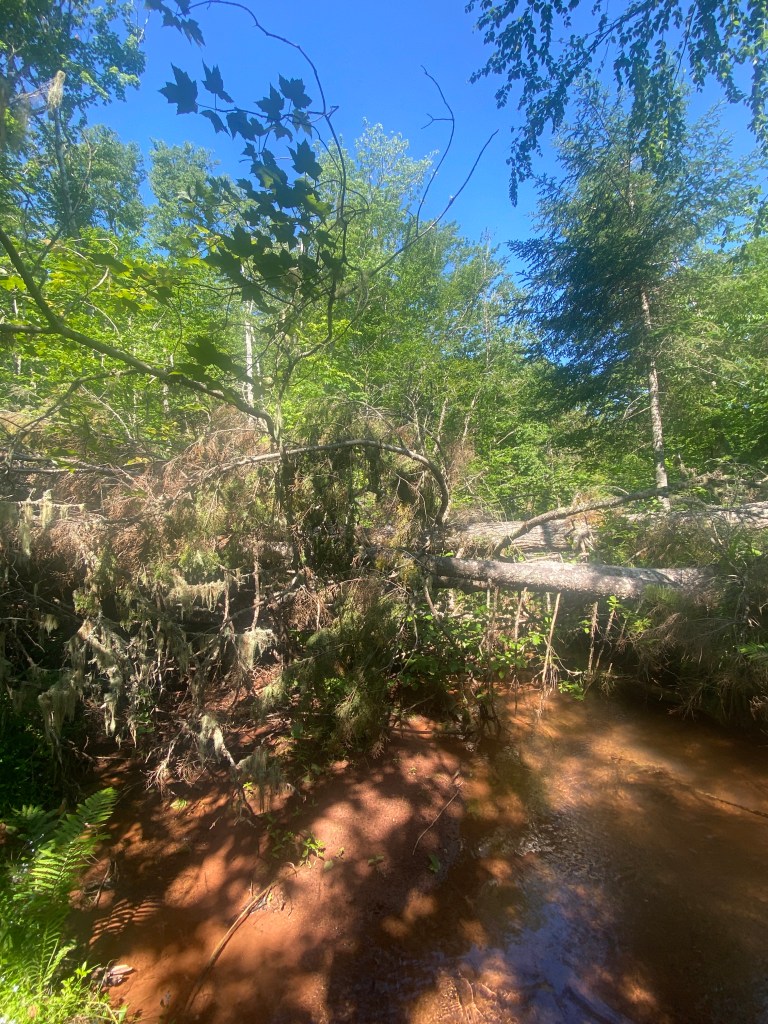
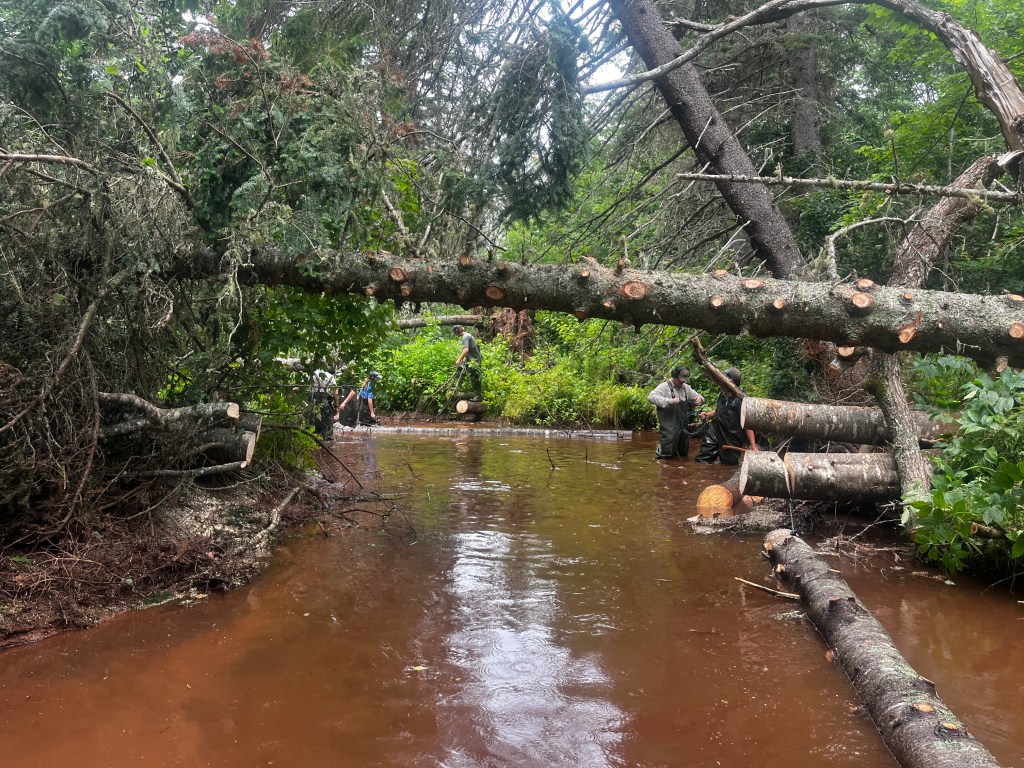
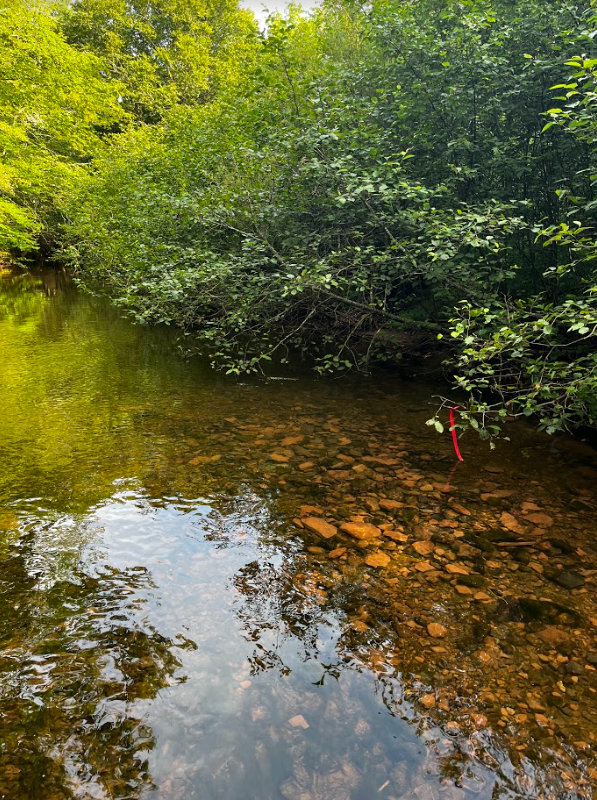
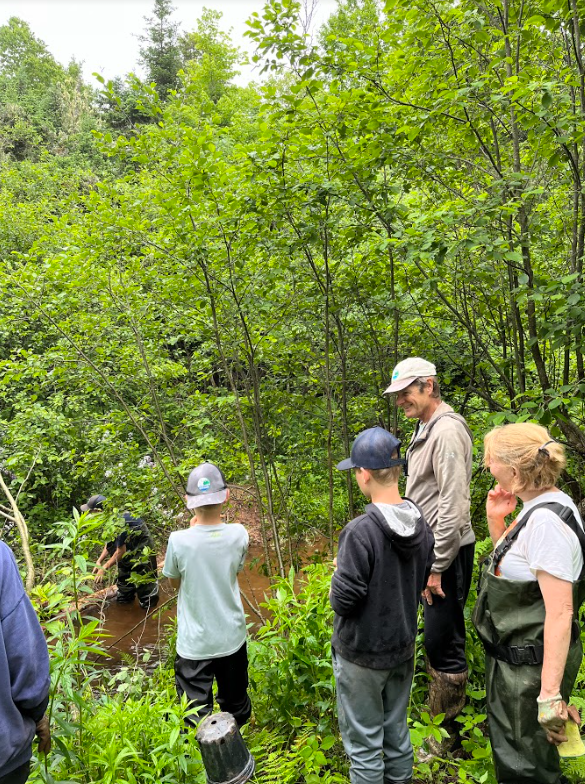
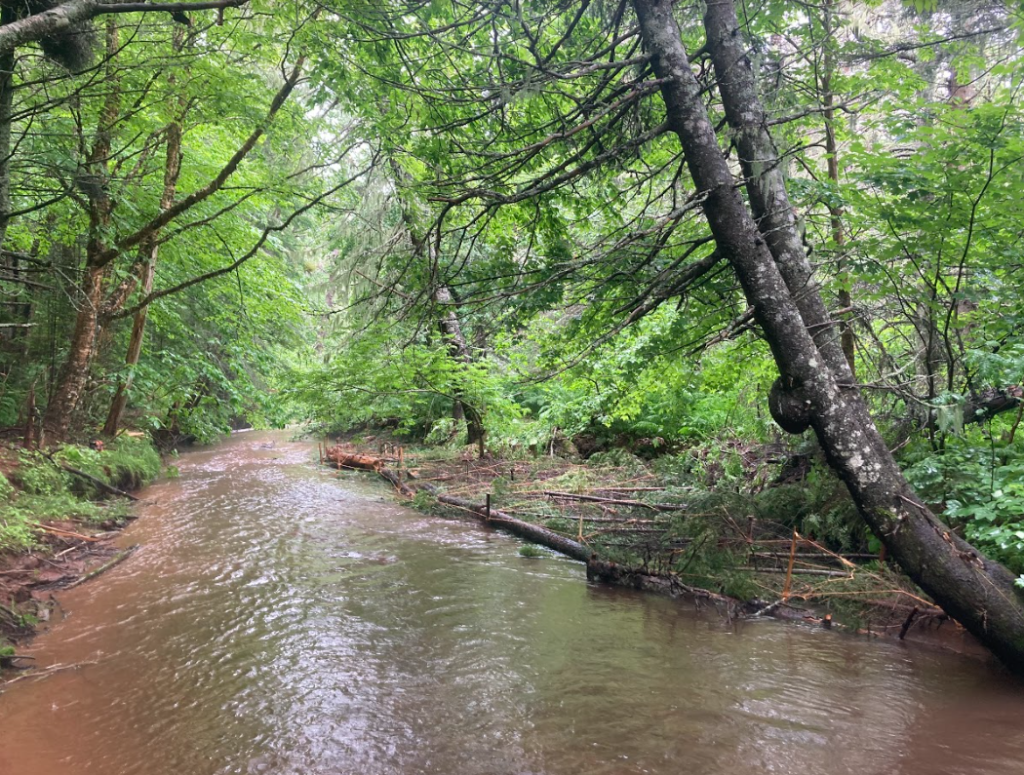
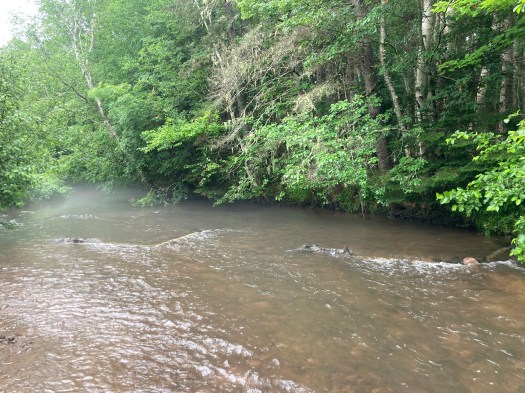
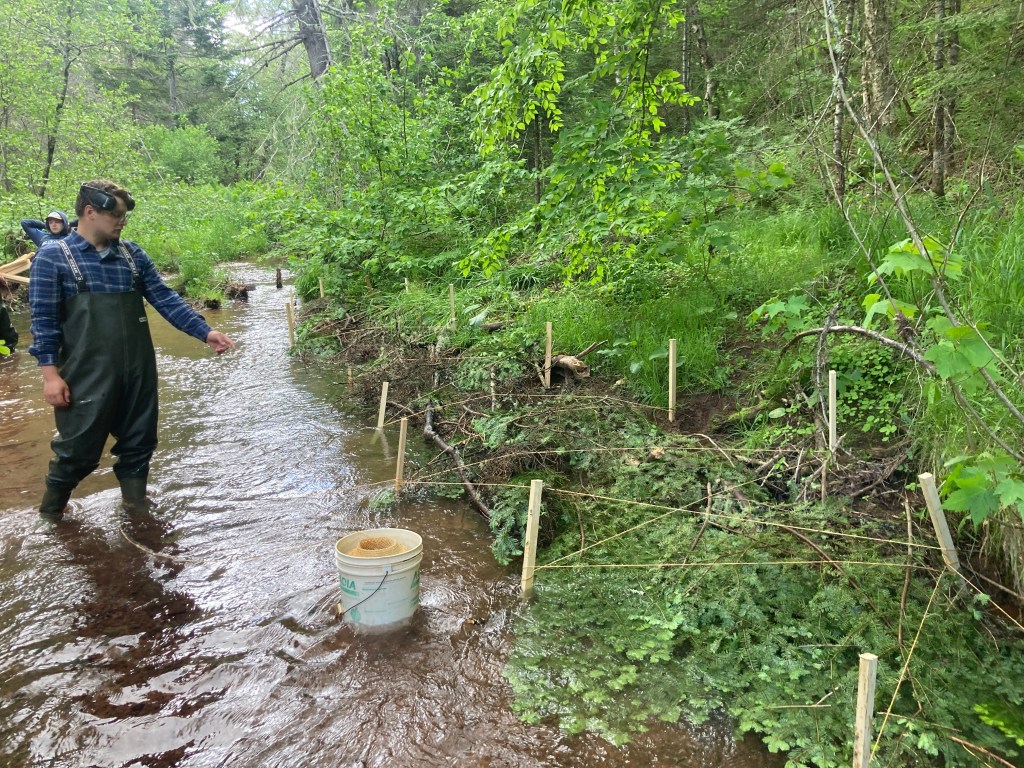
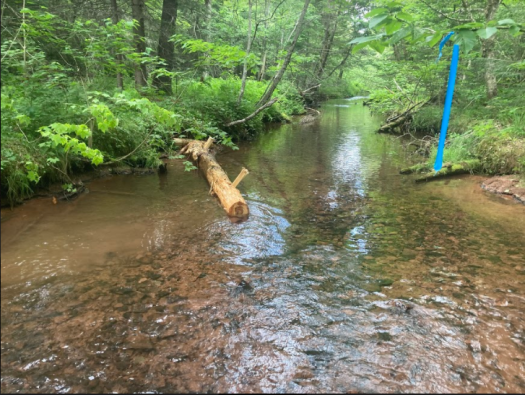
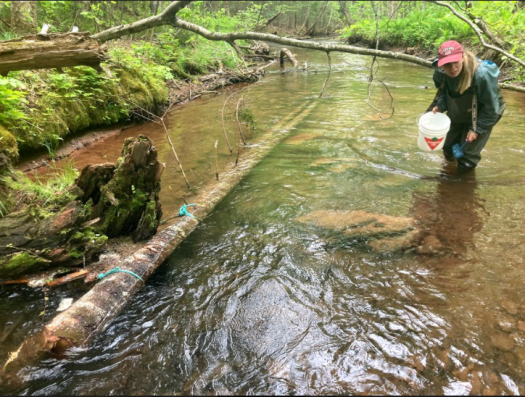
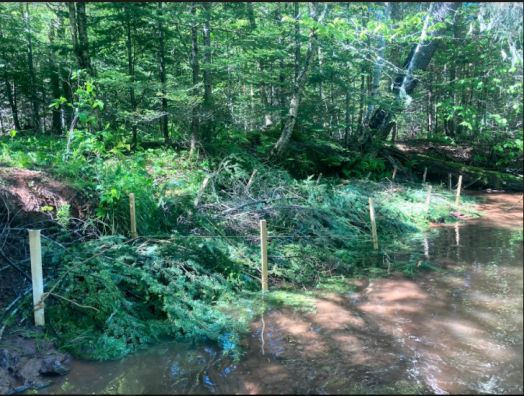
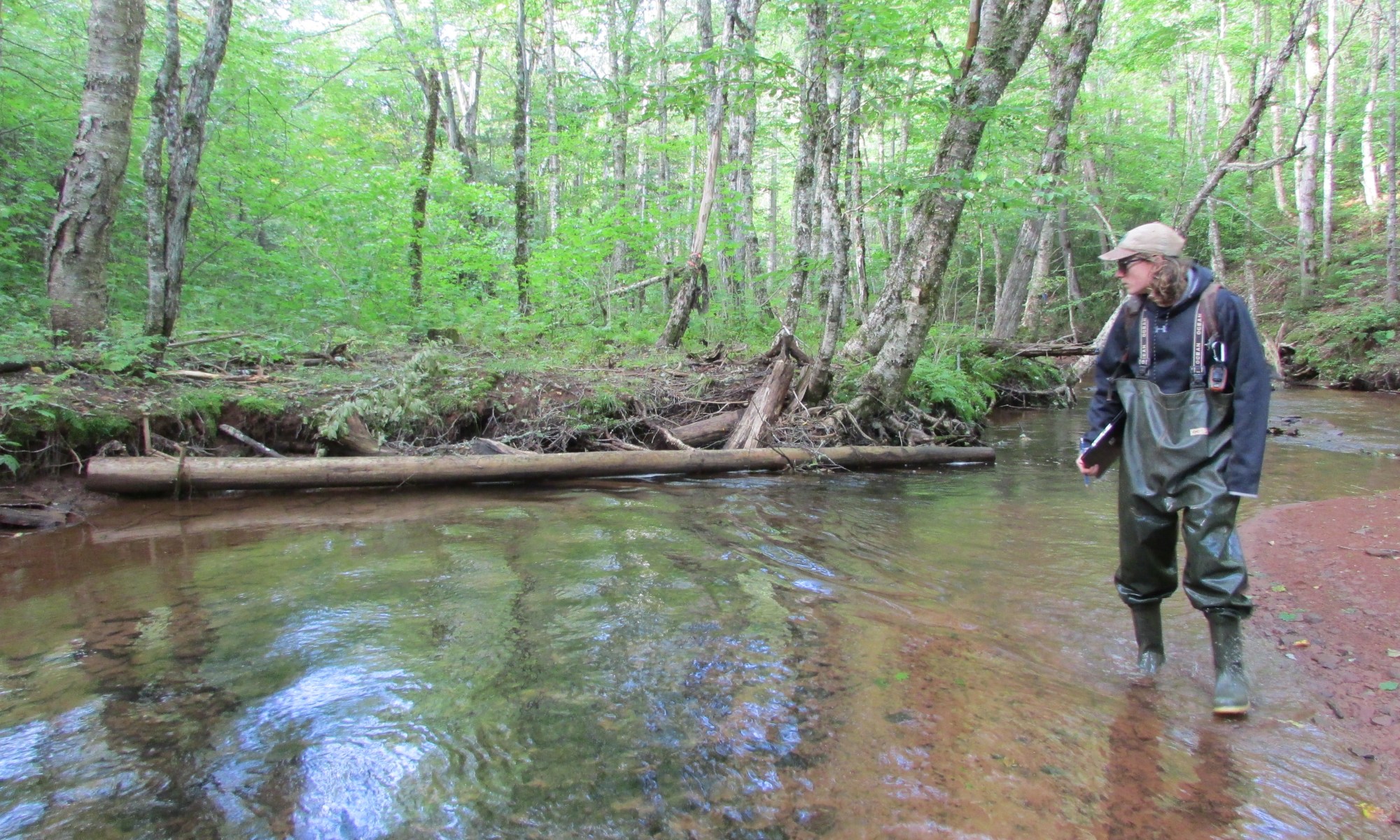
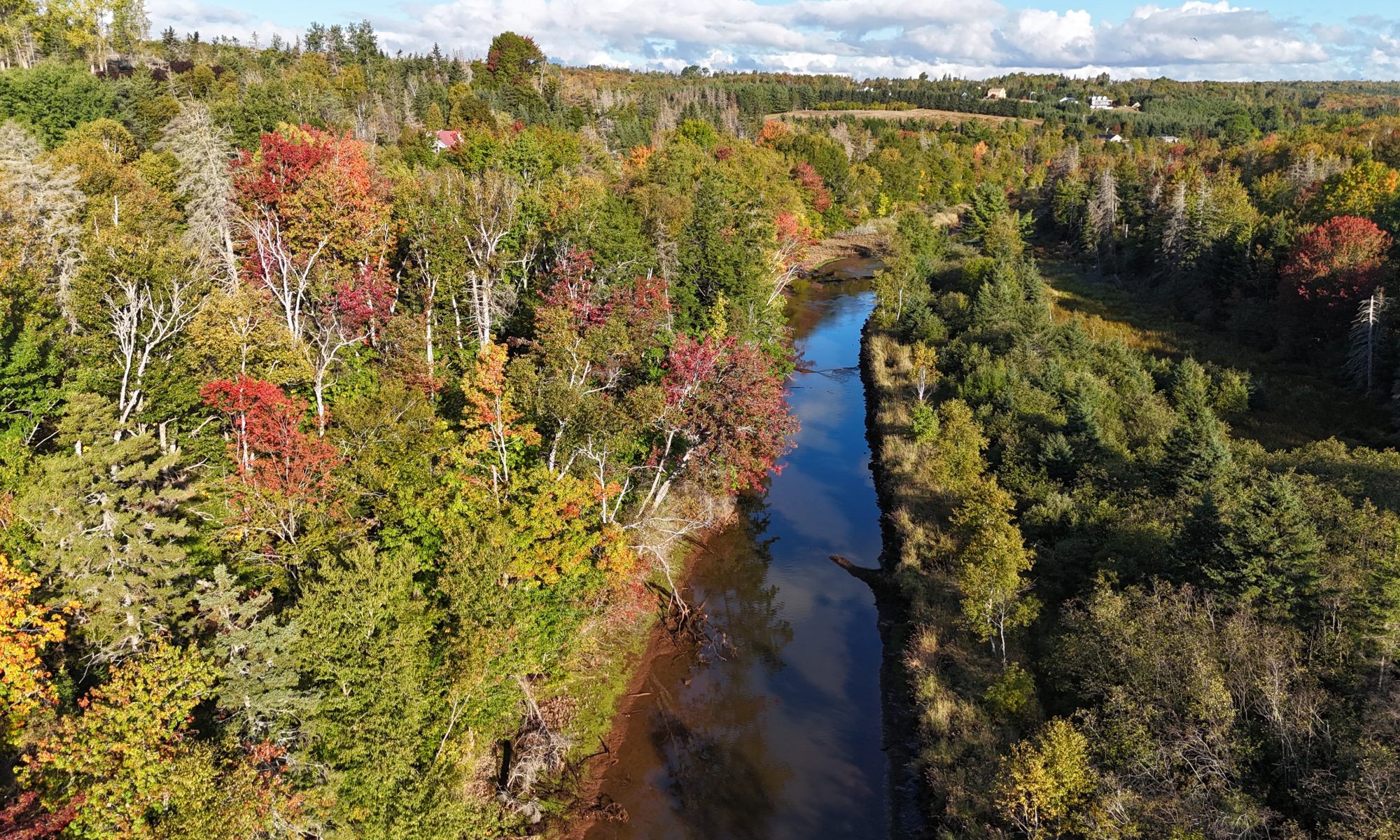
We started the year off strong with our annual canoe route, which allows us to clear the main part of our river early in the season, so the public can enjoy all the West River has to offer. We then started our normal stream maintenance and were able to put in a total of 94 cover structures and 23 brushmats. Our crew worked tirelessly to meet our stream maintenance performance goals this year.

We undertook a very big project in 2025, one that can possibly change the way we collect fish population data on Prince Edward Island in the future. We installed Atlantic Canada’s first Riverwatcher! If you would like to read more about this, please visit our Riverwatcher page.

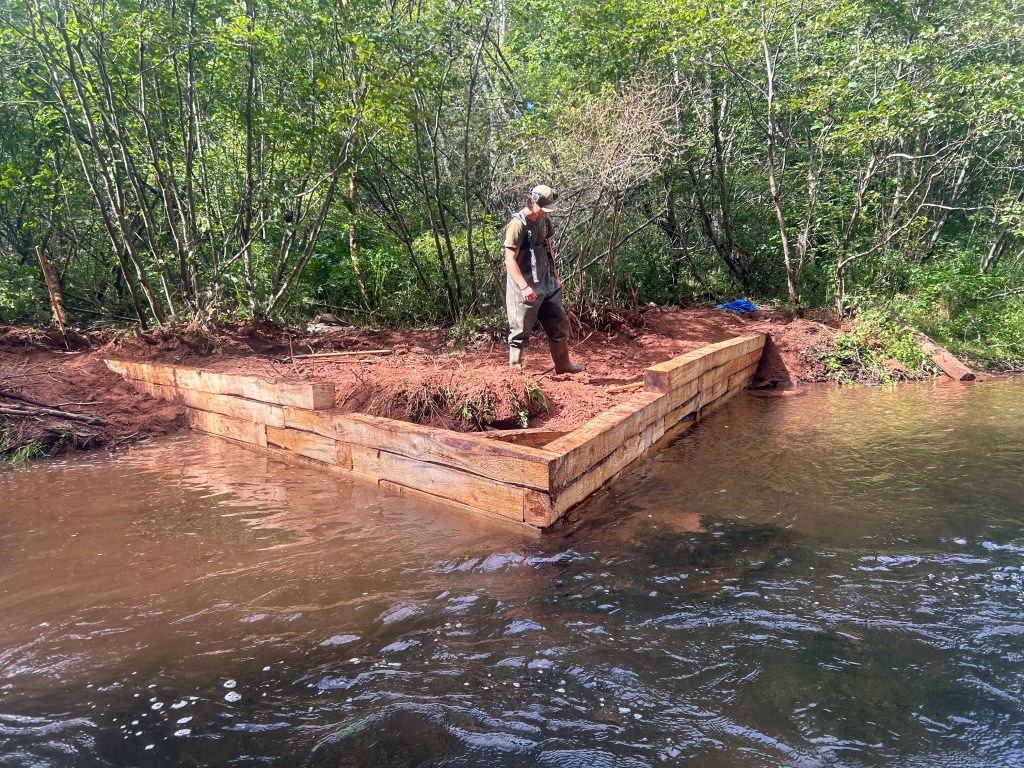
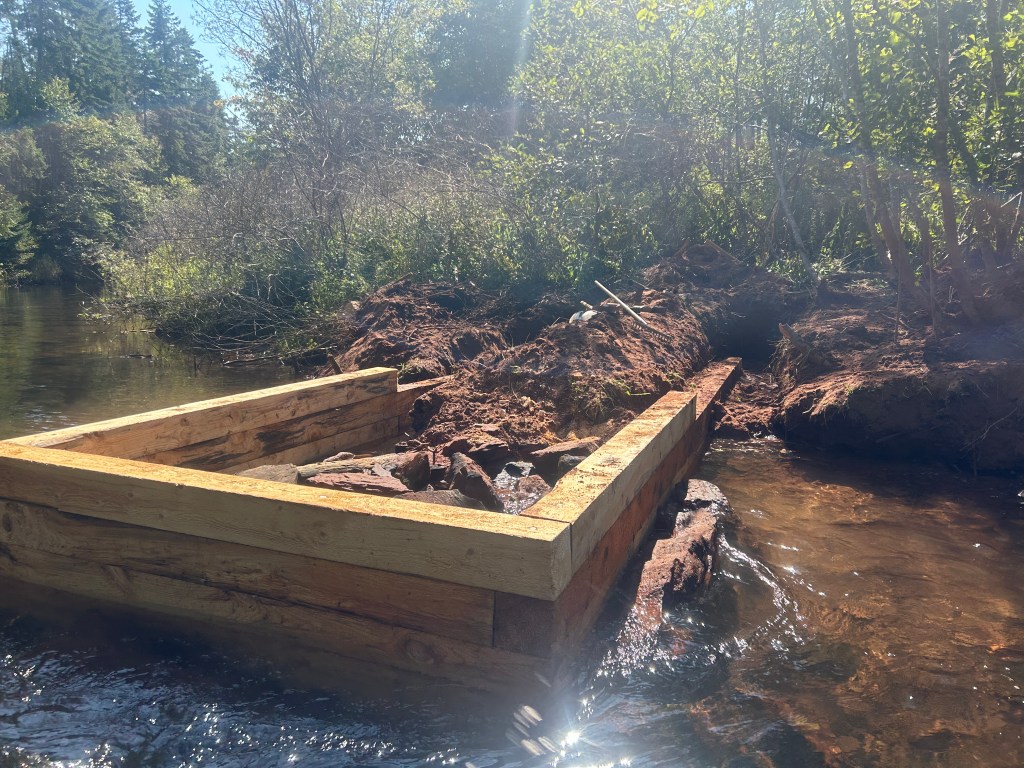
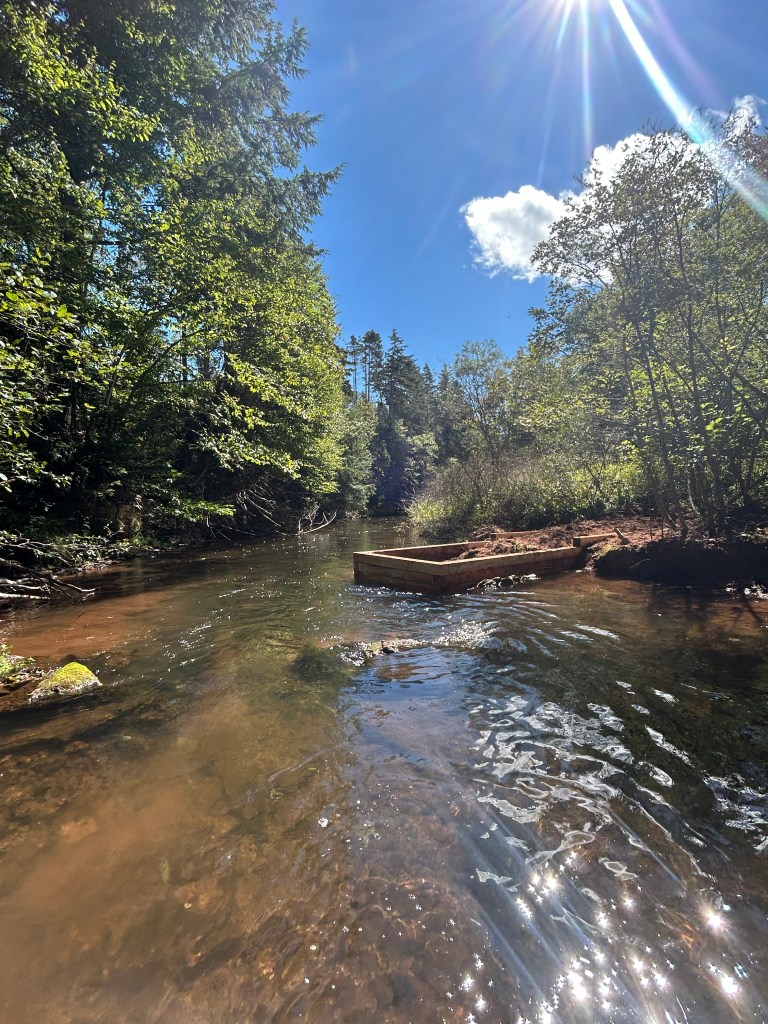
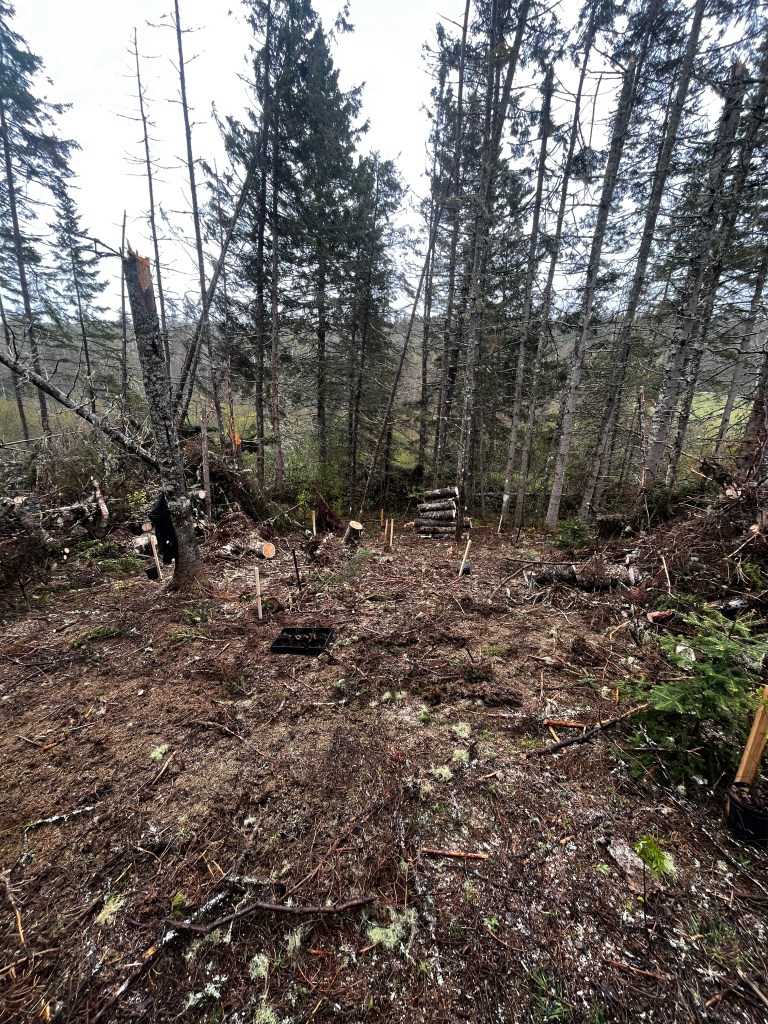
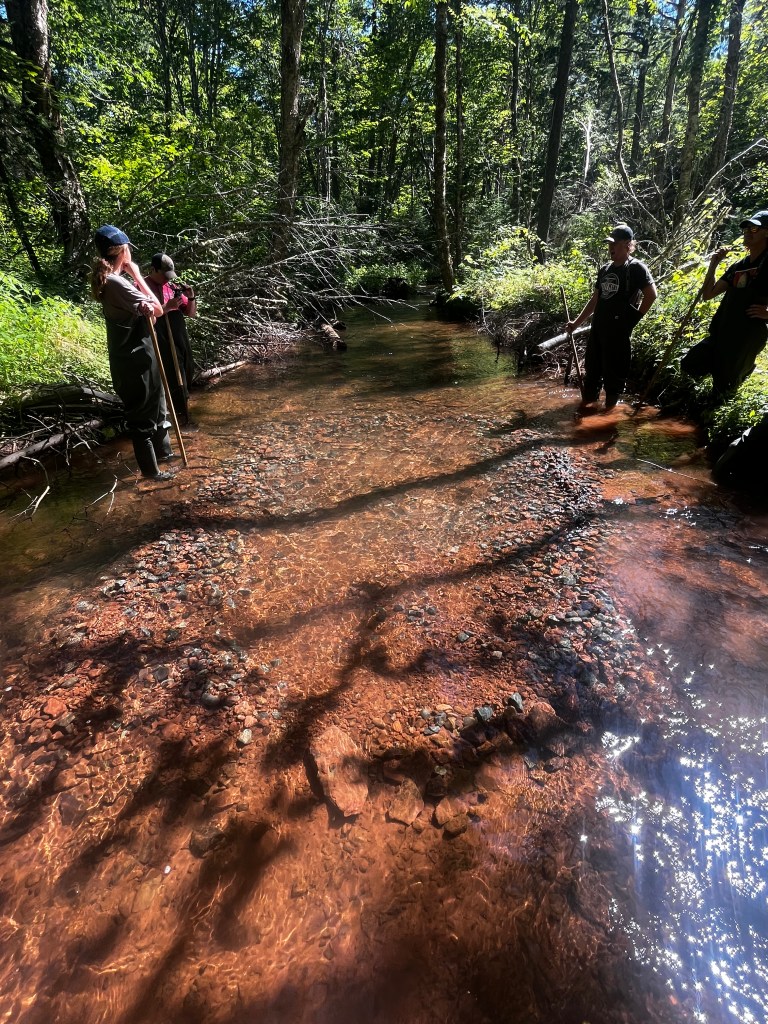
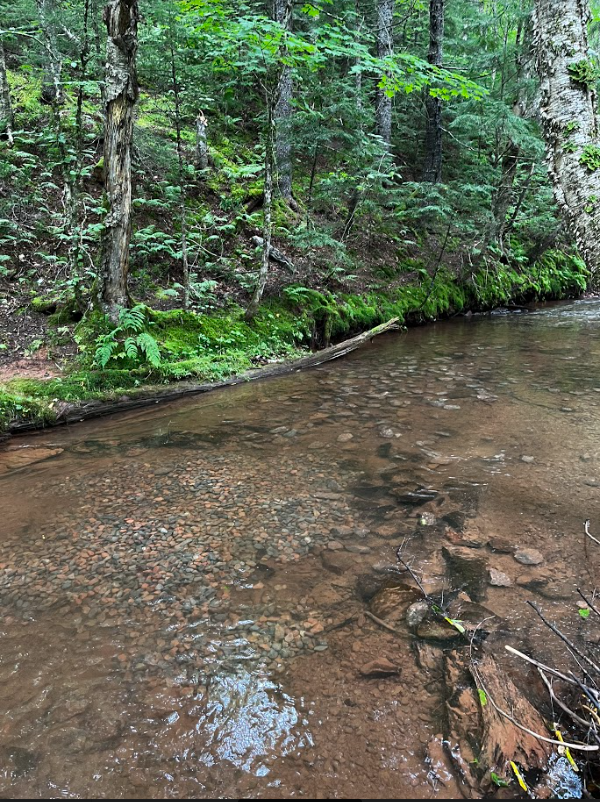
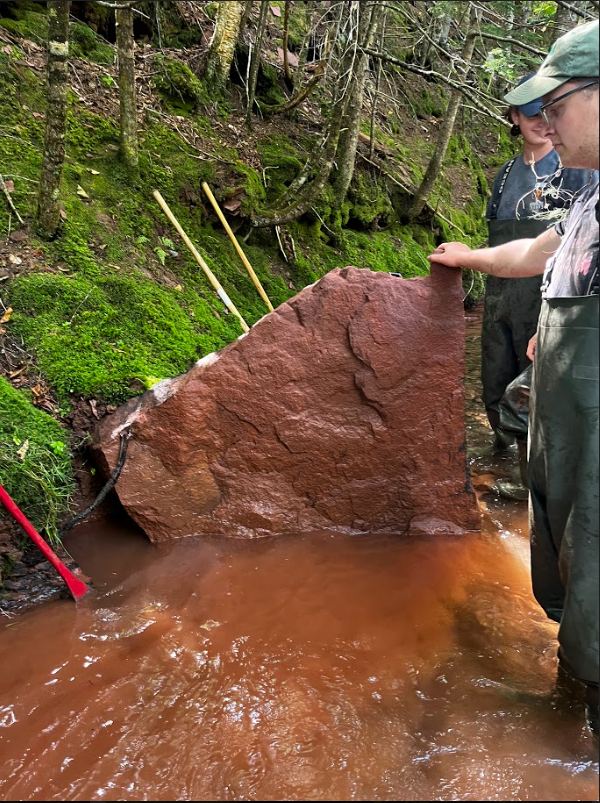
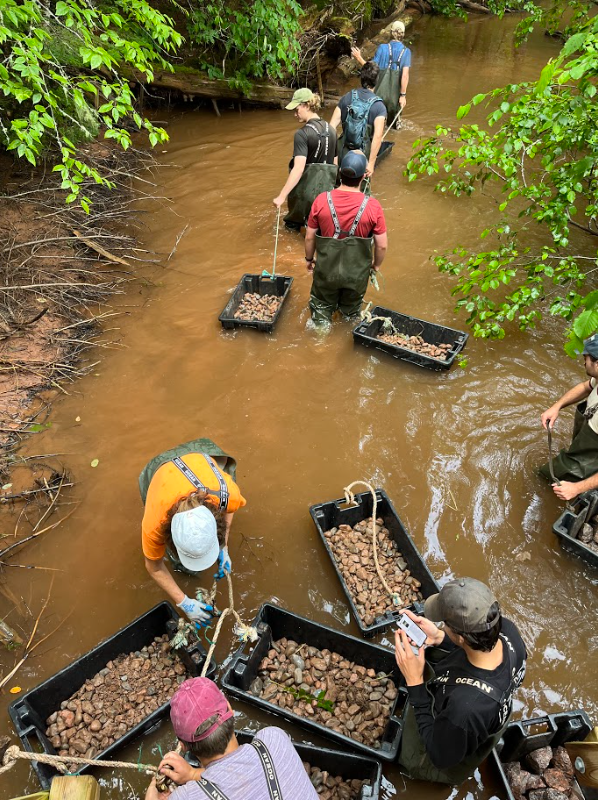
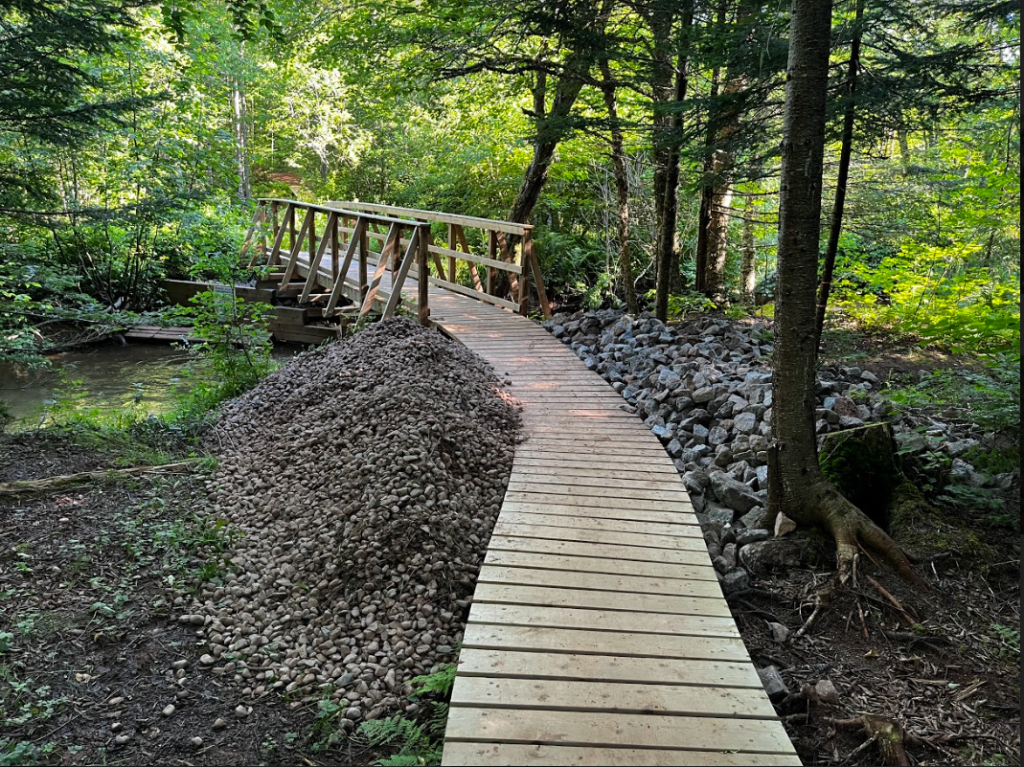
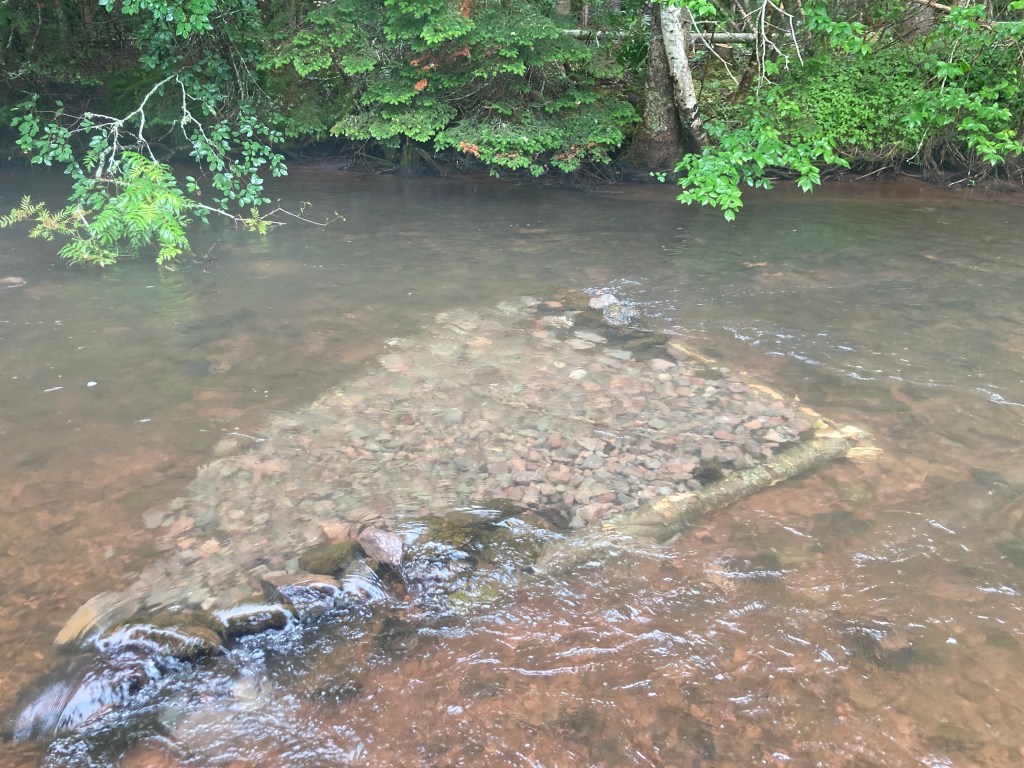
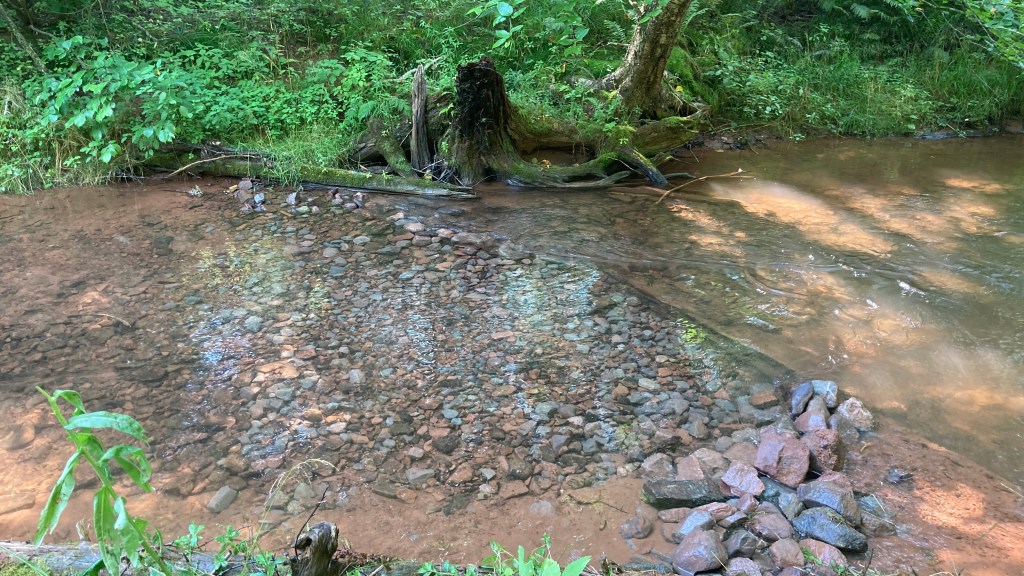
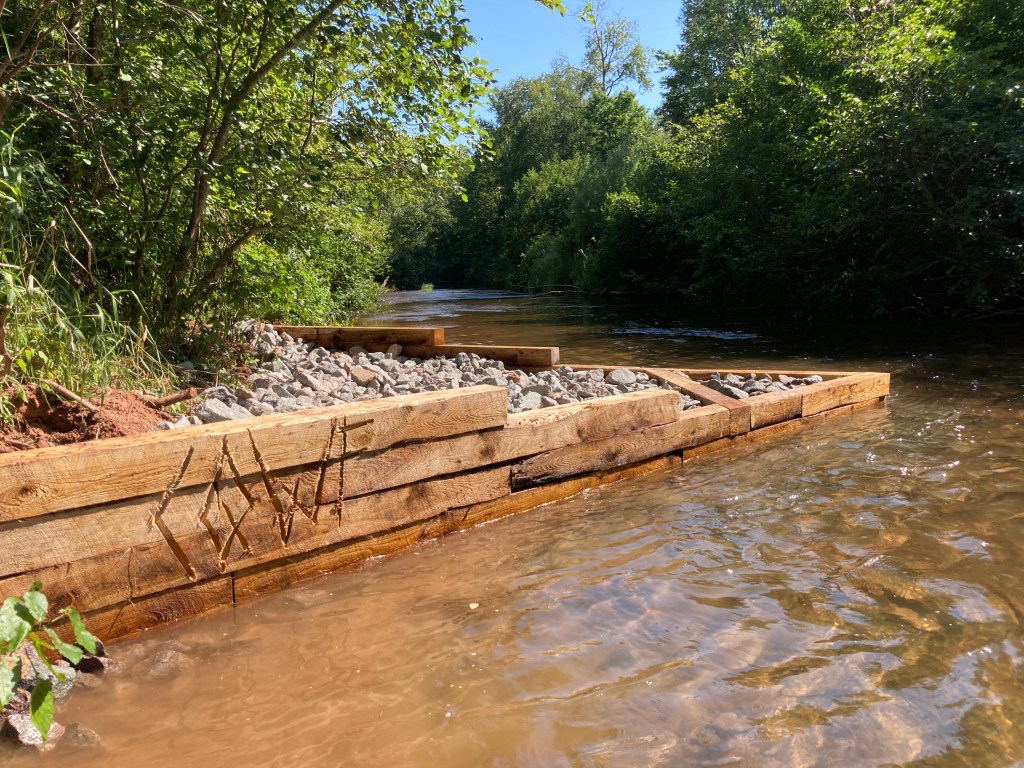
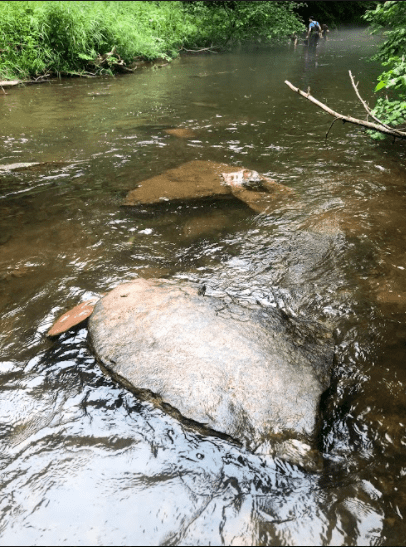
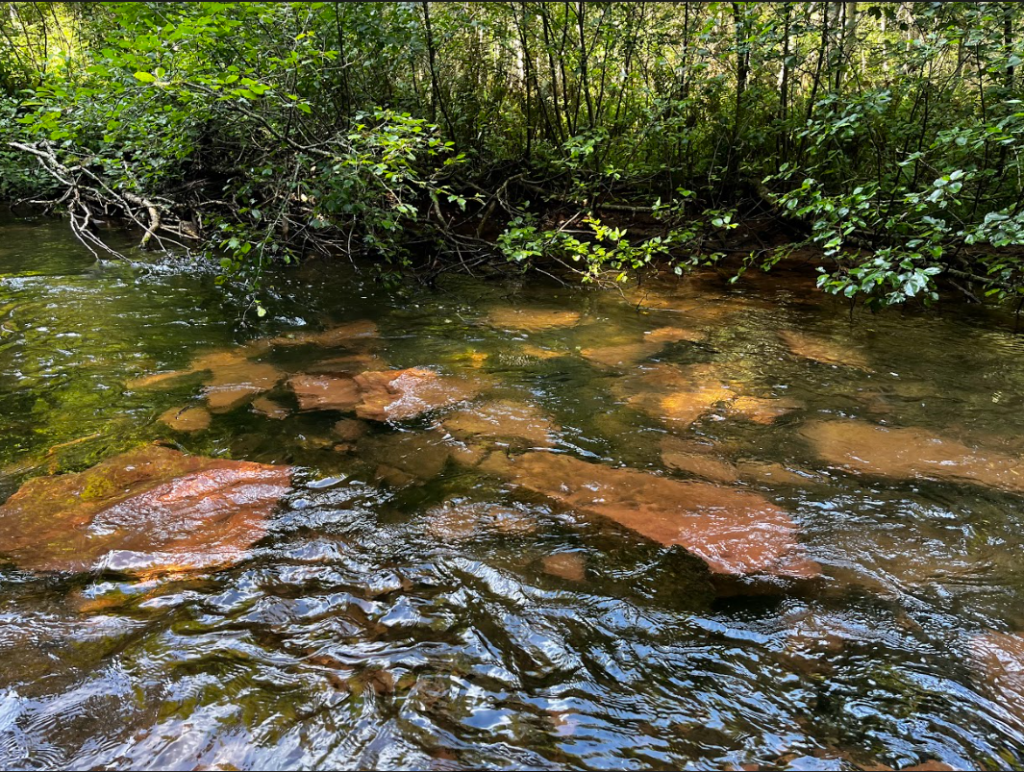
CQWF introduced a more natural method for building Atlantic Salmon spawning beds—moving away from traditional, invasive techniques that use rebar and other artificial materials. Instead, our dedicated crew spent several days hauling in natural rock from Nova Scotia and carefully constructing seven well-designed spawning beds along a section of the West River. These beds were placed in areas where the streambed is primarily shale—a type of substrate that offers poor conditions for salmon to spawn. By strategically adding high-quality spawning gravel and creating more natural structures, we’re aiming to improve habitat conditions and make the river more attractive to Atlantic Salmon.

Support for our Atlantic salmon restoration work this season was graciously supported by The Foundation for Conservation of Atlantic Salmon. This organization provides funding to support our spawning habitat activities and other monitoring ventures.

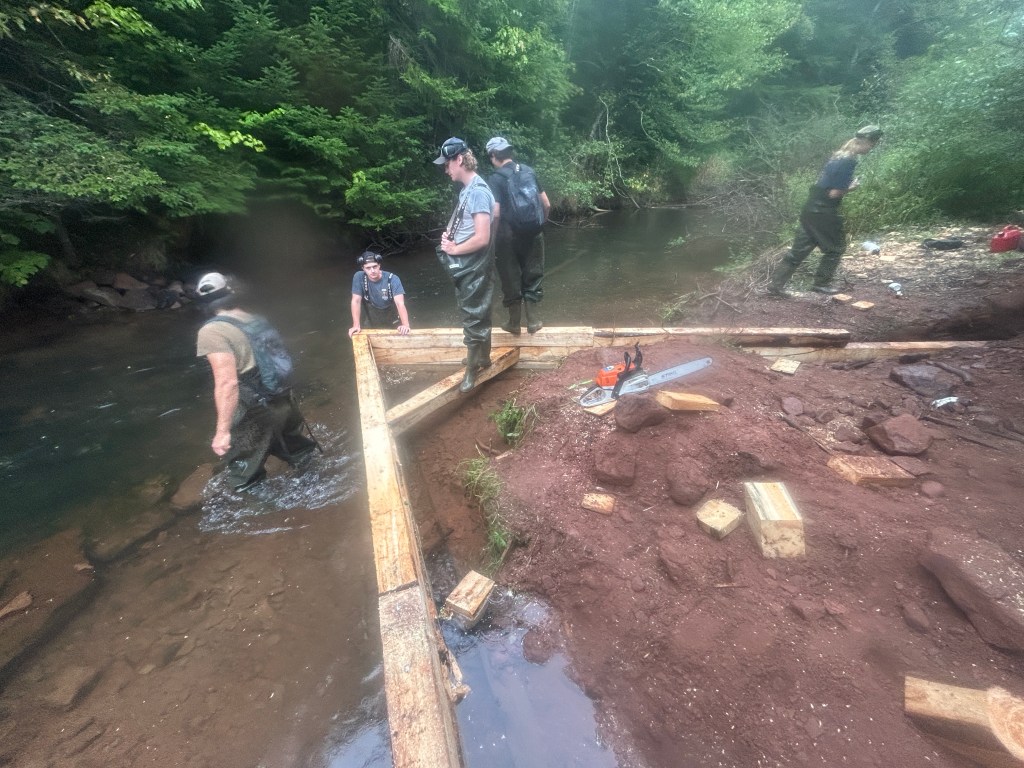
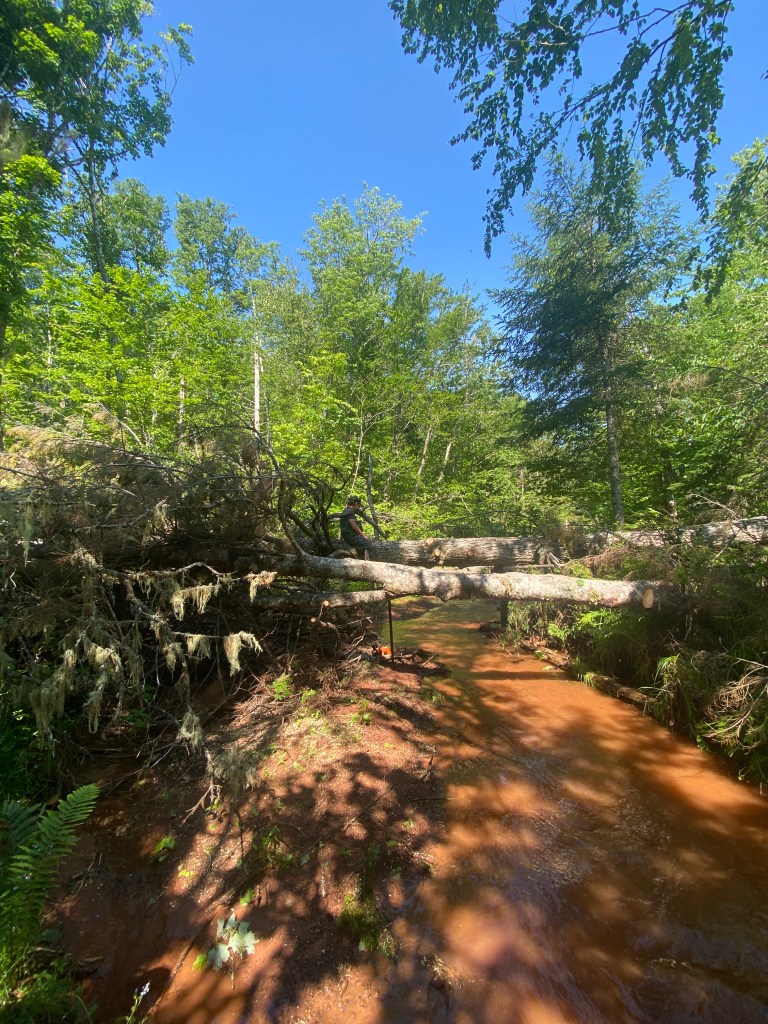
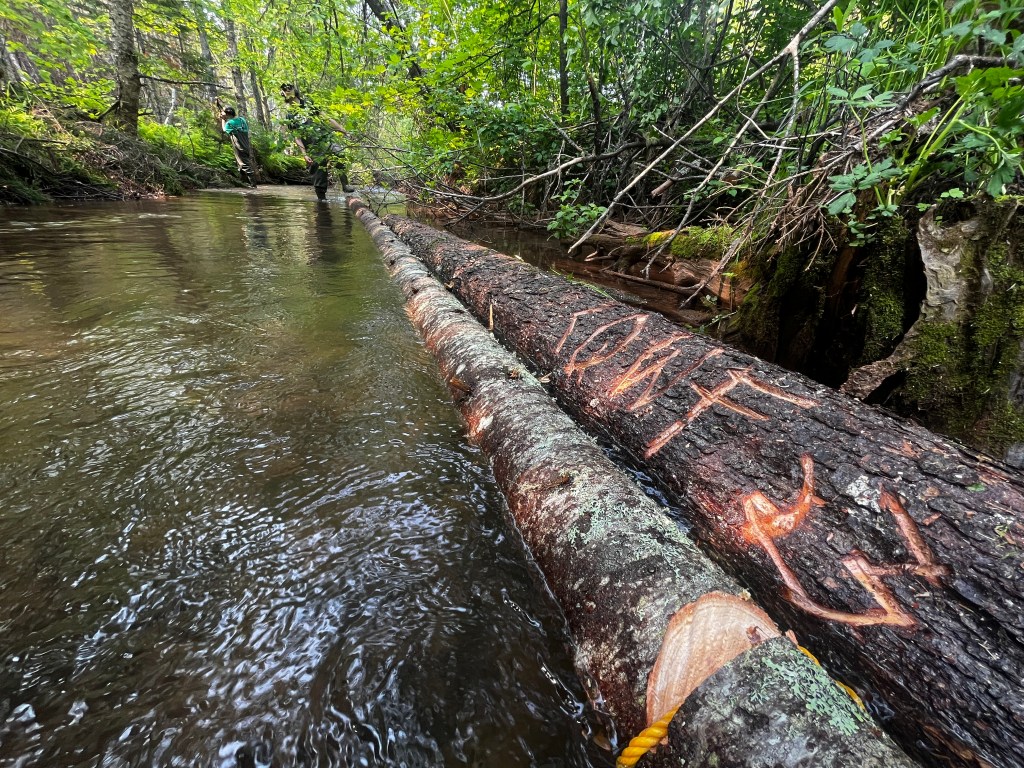
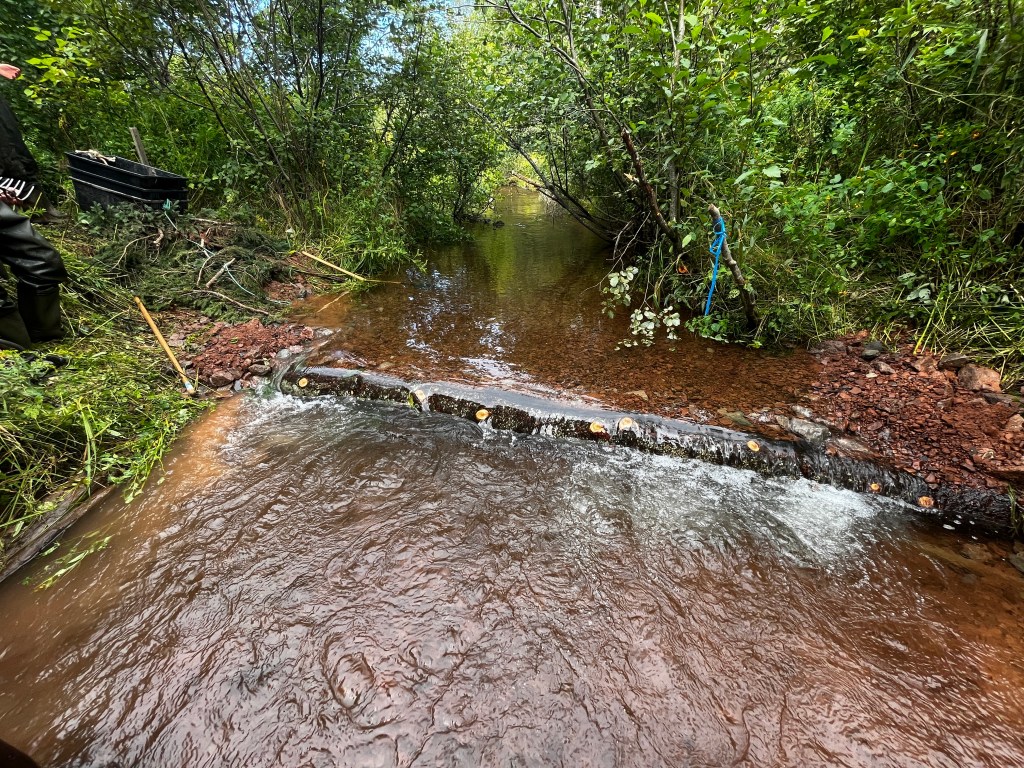
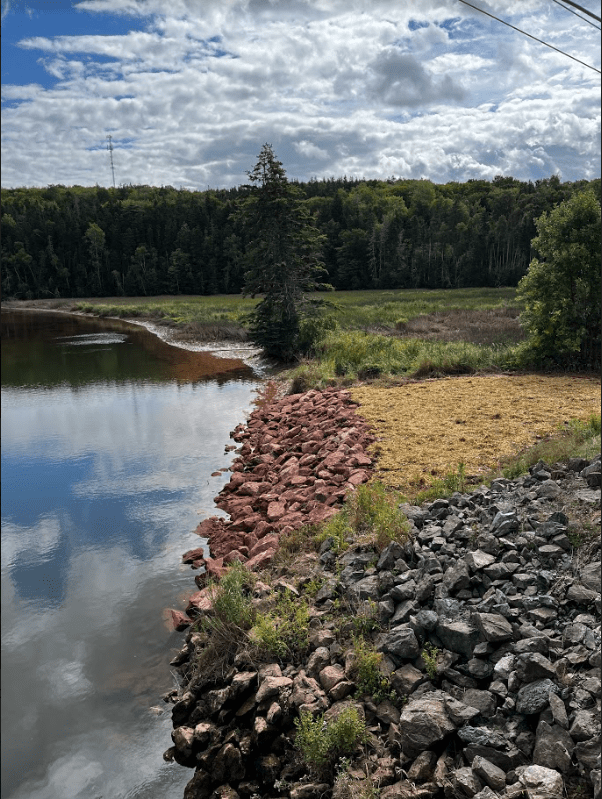
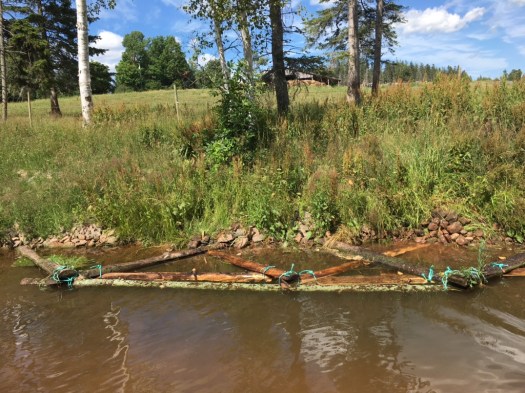
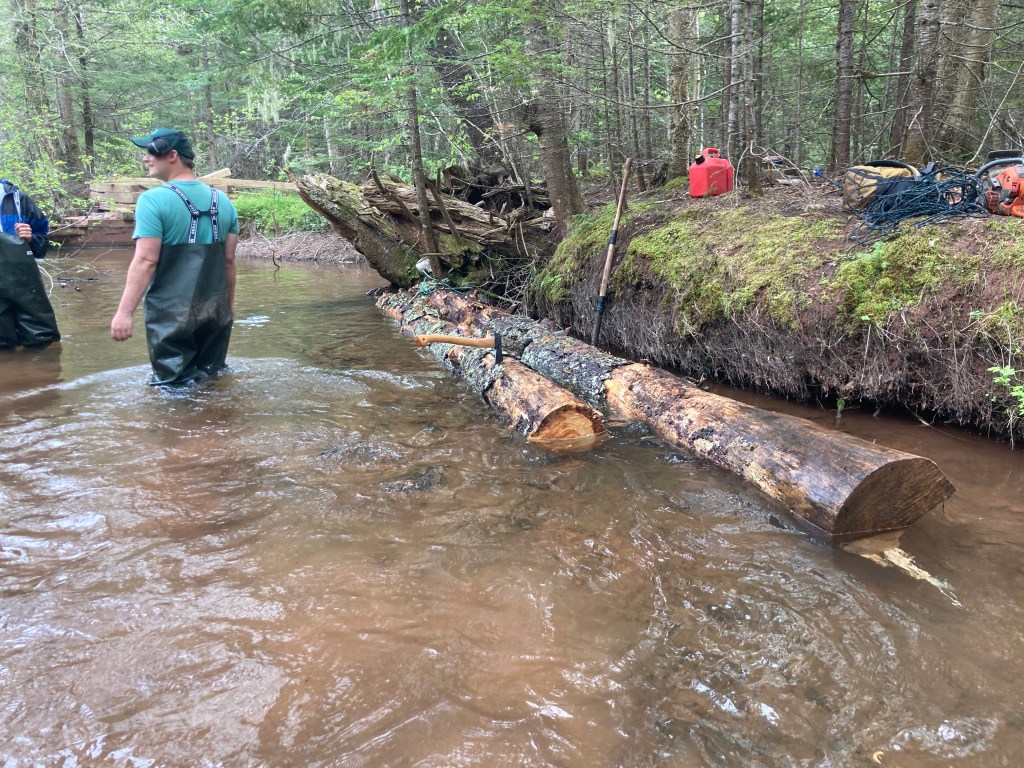
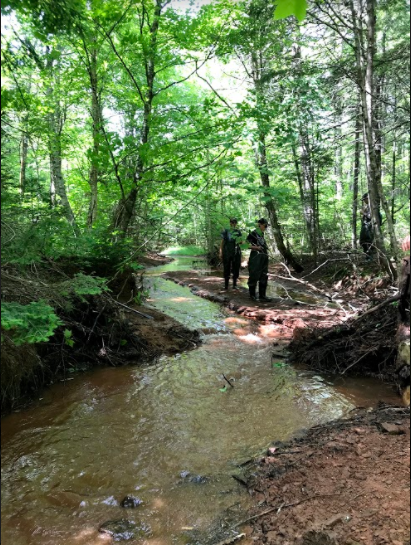
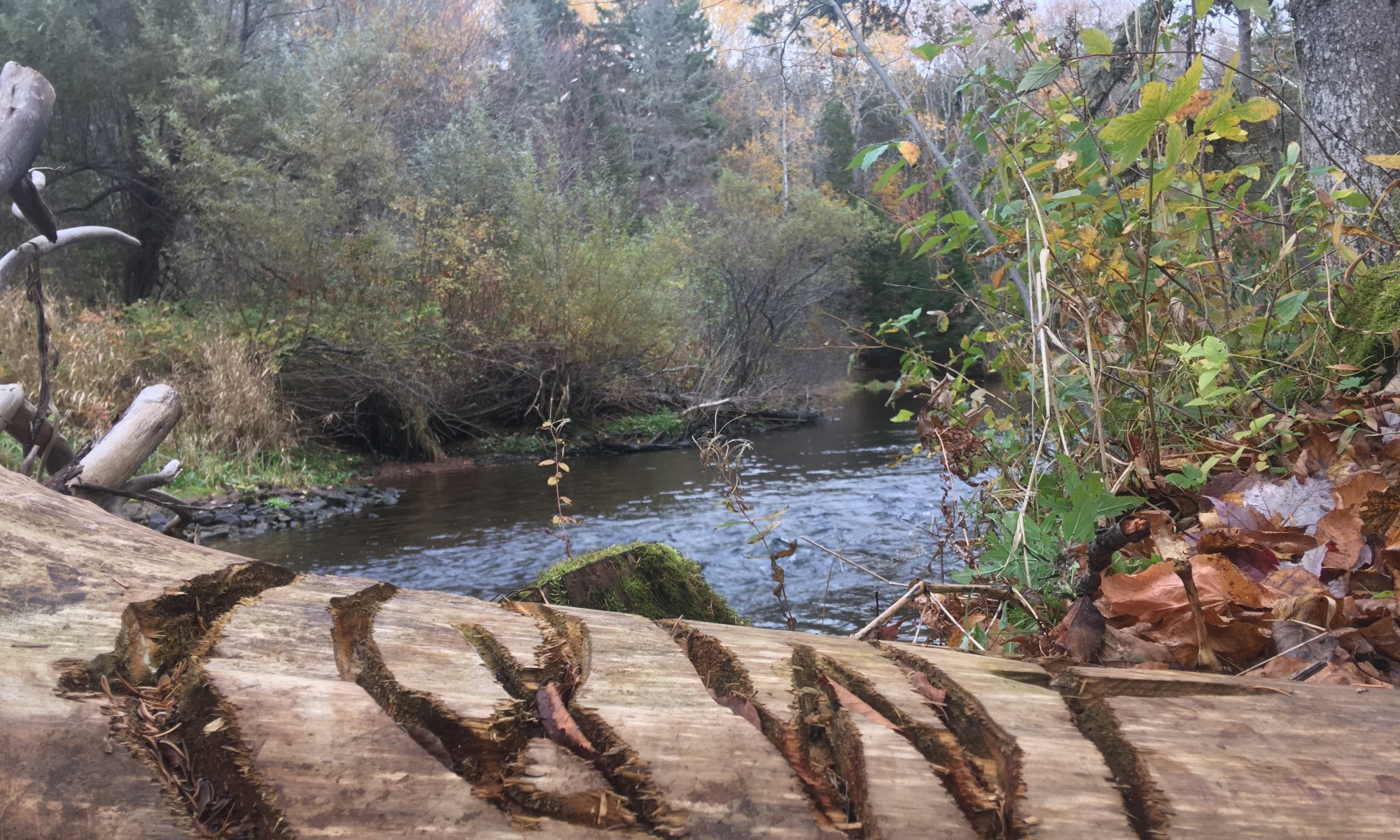
CQWF installed its first full tree deflector on the main branch of the West River—using natural, low-impact materials like duckbill anchors and rope for support. This innovative structure marks a shift toward more environmentally conscious restoration methods that blend seamlessly with the stream’s natural surroundings. The tree deflector was installed to replace a previously removed crib deflector on the opposite bank. By redirecting flow and encouraging natural sediment movement, the new structure is designed to help the stream gradually return to its desired morphology. As this is our first time implementing a deflector of this kind, we’re excited to monitor its performance over time and assess its potential for broader use in future restoration efforts.


The work we accomplished during our field season wouldn’t be possible without certain partner collaboration and financial funding support. The following are partners and programs we would like to acknowledge: 

  • The Foundation of Conservation for Atlantic Salmon
  • Canada Summer Jobs Fund
  • Department of Communities Land and Environment
  • Department of Fisheries and Ocean
  • Department of Transportation Infrastructure and Energy
  • Parks Canada
  • Post-Secondary Student Support Program
  • Jobs for Youth Program
  • PEI Wildlife Conservation Fund
  • Along with other Watershed groups and many individuals who donated their time and knowledge!
2024 Summer Field Season Update

The Central Queens Branch of the PEI Wildlife Federation (CQWF) had a productive work season in 2024.

We started 2024 with a change of leadership. Jordan Condon, who coordinated the West River for seven years, took on a new job opportunity with the Atlantic Salmon Federation. In his place, two seasoned watershed workers took his place. Isaac Arsenault-Saunders and Knowlton Parkman have been loyal members of CQWF for many years and willingly took over the position. This summer had many firsts with new coordinators, but CQWF pushed through and ended a good field season.

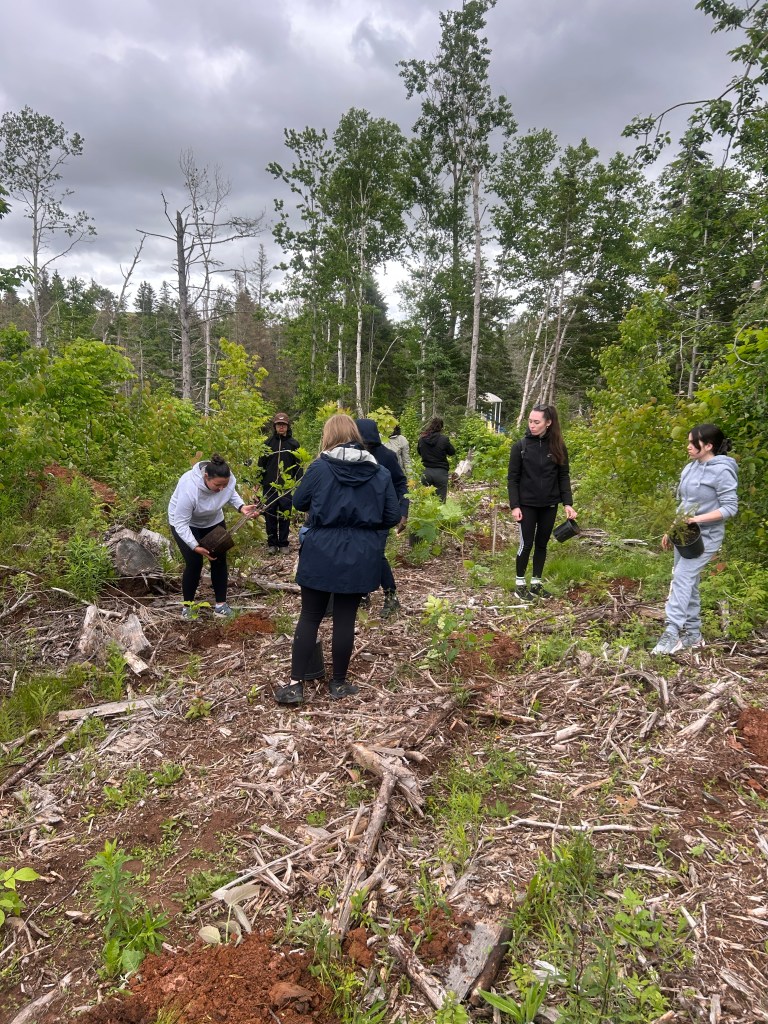
CQWF received funding support from the PEI Wildlife Conservation Fund for our Hurricane Fiona remediation activities, which helped us during our restoration work this 2024 field season. Our crew worked hard to clear previous sections of stream, as well as new stream sections within our watershed. Once sections of stream were cleared our crew installed new brush mats, and cover structures to areas in need. Another major project we completed this year is rebuilding two deflector structures by Black Brook on the main West River, and this project was also funded by the PEI Wildlife Conservation Fund.

Funding was provided by The Foundation of Conservation for Atlantic Salmon to install seven Atlantic Salmon bed structures in Brookvale. This involved us making “V” structures in appropriate areas within the stream section, and infilling the structures with Nova Scotia rock. This was done due to the lack of a preferred substrate that our salmon need to spawn. We are looking forward to monitoring these beds for future spawning.

Monitoring activities are summarized in our technical reports which are available on our website and include redd surveys, electrofishing surveys, and water quality results. These reports provide insight into measured metrics and habitat indicators that we incorporate into our management decisions.

The work we accomplished during our field season wouldn’t be possible without certain partner collaboration and financial funding support. The following are partners and programs we would like to acknowledge: 

  • The Foundation of Conservation for Atlantic Salmon
  • Canada Summer Jobs Fund
  • Department of Communities Land and Environment
  • Department of Fisheries and Ocean
  • Department of Transportation Infrastructure and Energy
  • Parks Canada
  • Post-Secondary Student Support Program
  • Jobs for Youth Program
  • PEI Wildlife Conservation Fund
  • Along with other Watershed groups and many individuals who donated their time and knowledge!

2023 Summer Field Season Update

The Central Queens Branch of the PEI Wildlife Federation (CQWF) had a productive work season in 2023, even with the extra workload due to Hurricane Fiona our crew still managed to persevere!

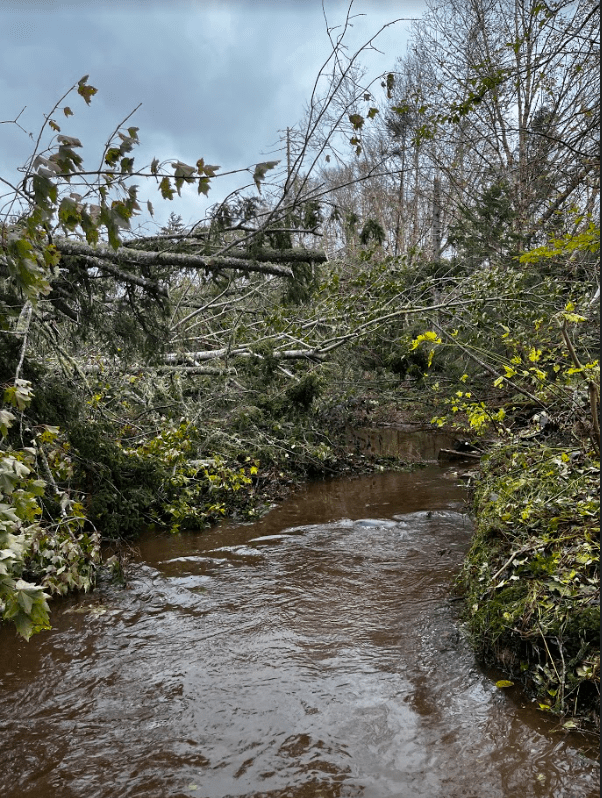
Hurricane Fiona dramatically altered the West River landscape in the fall of 2022. The bulk of work carried out by CQWF in 2023 revolved around addressing these damages. Whether it was reopening access trails or addressing the excessive woody material within the stream channel CQWF crew was ready to tackle any challenge. The total stream maintained in 2023 was lower than in previous years due to the volume of required effort to address blowdowns. It was common for sections to take 3-4 times longer than normal due to the extensive damage. However, CQWF took this as an opportunity to turn these damaged areas back into productive habitats. Woody material plays an essential part in our river systems and properly managing this habitat aspect is important. Turning problematic woody material into productive habitat is a process CQWF has refined over the years. Brush mats and salmonid cover structures are techniques CQWF utilizes in order to accomplish set-out restoration goals. In total, 149 cover structures and 77 brush mats were constructed in 2023 and 30.5 km of stream was maintained.

Funding was provided by The Foundation of Conservation for Atlantic Salmon to improve spawning habitat on the West River along a reach of the river in Green Bay. The goal was to install an ideal spawning substrate in combination with structures to create preferred spawning conditions. This occurred at 5 sites. Another major project aspect was to produce a technical report that characterized Atlantic salmon spawning habitat. The report measured variables at 50 sites and used redd survey data to determine which sites are preferred by salmon when spawning in an attempt to delineate common variables. A few variables measured included water velocity, water depth, and substrate size. Spawning habitat enhancement occurred at a total of 54 sites. These activities included raking the substrate to remove fine sediments, installing ideal-sized substrates (smooth fist-sized rock), and creating “V” structures to provide ideal flow characteristics.

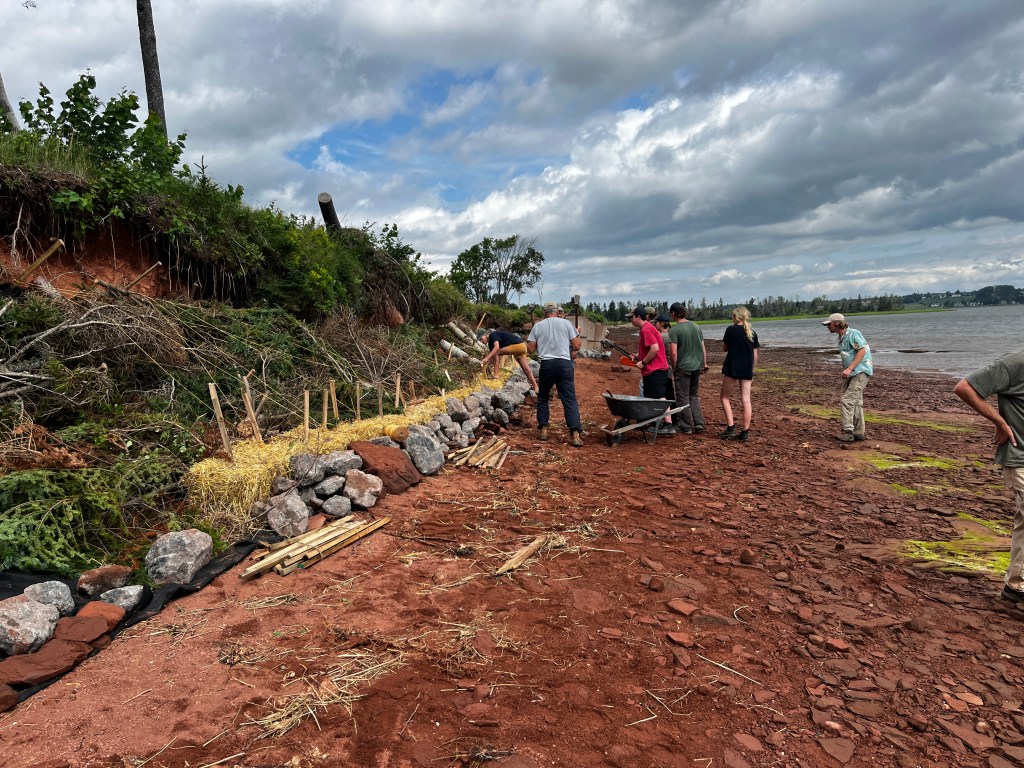
A new project that CQWF undertook in 2023 was a living shoreline project. This involved stabilizing 150 ft of shoreline by using natural components rather than traditional rock armoring. Bales of hay, brush from trees, small boulders, and filter fabric were used to help stabilize the shoreline and reduce the rate of erosion. The main goal was to stabilize the toe of the bank and as the bank erodes the materials will capture sediment and slope the bank to eventually naturalize. Another new activity our group took part in this year was beach cleanup. We covered a large portion of the south shore coastline on our watershed and collected washed-up debris. An approximate 250 lb of garage was collected!

Monitoring activities are summarized in our technical reports which are available on our website and include redd surveys, electrofishing surveys, and water quality results. These reports provide insight into measured metrics and habitat indicators that we incorporate into our management decisions.

The work we accomplished during our field season wouldn’t be possible without certain partner collaboration and financial funding support. The following are partners and programs we would like to acknowledge: 

  • The Foundation of Conservation for Atlantic Salmon
  • Abegweit Biodiversity Enhancement Hatchery
  • Canada Summer Jobs Fund
  • Department of Communities Land and Environment
  • Department of Fisheries and Ocean
  • Department of Transportation Infrastructure and Energy
  • Parks Canada
  • Post-Secondary Student Support Program
  • Habitat Stewardship Program
  • Jobs for Youth Program
  • PEI Wildlife Conservation Fund
  • Along with other Watershed groups and many individuals who donated their time and knowledge!
2022 Season Recap

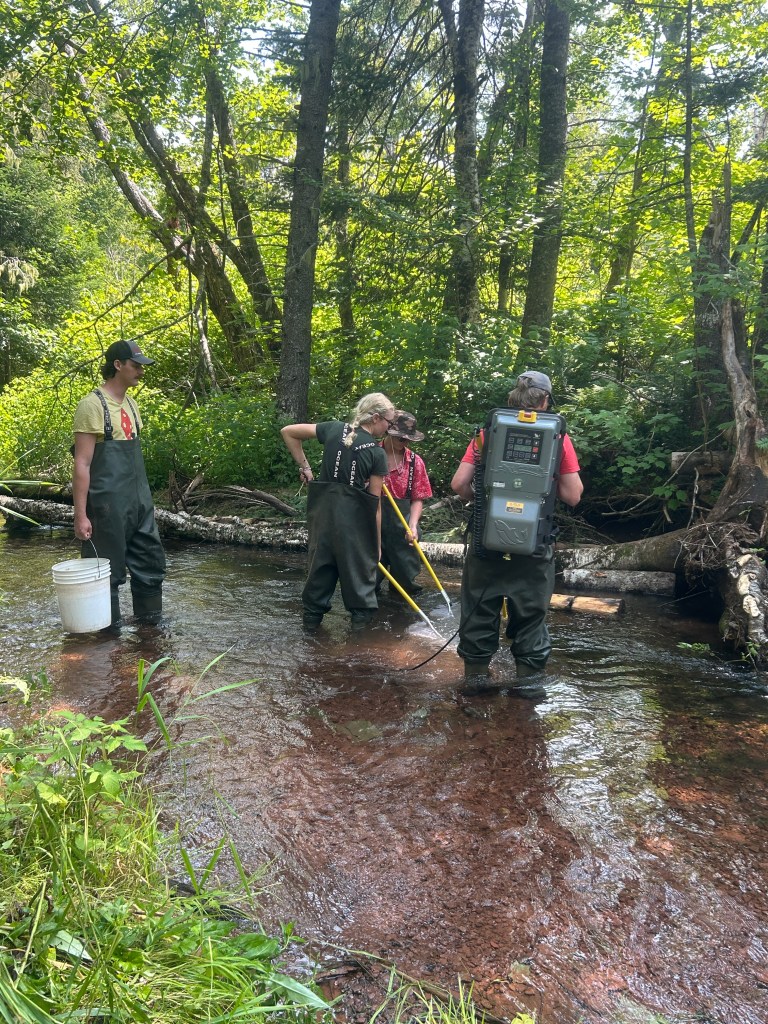
The Central Queens Branch of the PEI Wildlife Federation (CQWF) had a productive work season in 2022 with an interesting end to the field season! The following will discuss an overview of our work season and highlight some of our larger project aspects.

Our summer field crew spent a portion of the summer working on improving Atlantic salmon spawning and juvenile rearing habitat on the lower reaches of Howell’s Brook and also on the main West River. Our crew placed 16 tonnes of Nova Scotia river rock at 17 spawning areas (13 on Howell’s Brook and 4 on the main West River). The goal of this was to provide high-quality spawning substrate with soft engineered structures in place to encourage female salmon to spawn in high-quality habitat with the hopes of increasing embryo survival. At 19 locations another 16 tonnes of R5 rock was placed in riffle areas along the lower reaches of Howell’s Brook to help improve juvenile rearing habitat nearby the improved spawning areas. The goal of this was to increase the stream bottom coarseness in order to provide abundant juvenile rearing habitat to reduce competitiveness and increase survival. This project was funded by the Atlantic Salmon Conservation Foundation and the PEI Watershed Alliances Habitat Stewardship Fund.

CQWF partnered with the Department of Environment and Transportation Infrastructure and Energy in a final act to remove and dispose of contaminated soils in Bonshaw. There was an accident in the 1970s and a tractor trailer carrying a load of bunker fuel left the highway in Bonshaw and crashed nearby the river. Most of the accident was cleaned up but there was a portion of the load buried on site. Moving forward to recent years the bunker fuel was still being picked up by CQWF as the summer temperatures began to rise the bunker fuel would also rise to the surface along the edge of the river. In 2022, CQWF had Island Coastal Services excavated the accident site and had the contaminated spoils disposed of at the East Prince Waste Management Facility in Wellington.

CQWF was funded by the Wildlife Conservation Fund for restoration work on the Clyde River. CQWF spent a considerable amount of time restoring aspects of the Clyde River. This involved revisiting the newly restored sections of stream (2021) to continue the restoration process and also conducted stream maintenance along 3.95km of stream. Along these newly enhanced sections, 21 cover logs and 15 brush mats were installed. A sediment trap was re-excavated on the west branch permanently removing 300 m3 of sediment. To cap off the work on the Clyde River in 2022 CQWF assisted in maintenance along the DTIE Cornwall by-pass compensation project site. A stream bank was eroding so rock was placed to help prevent further bank erosion.  

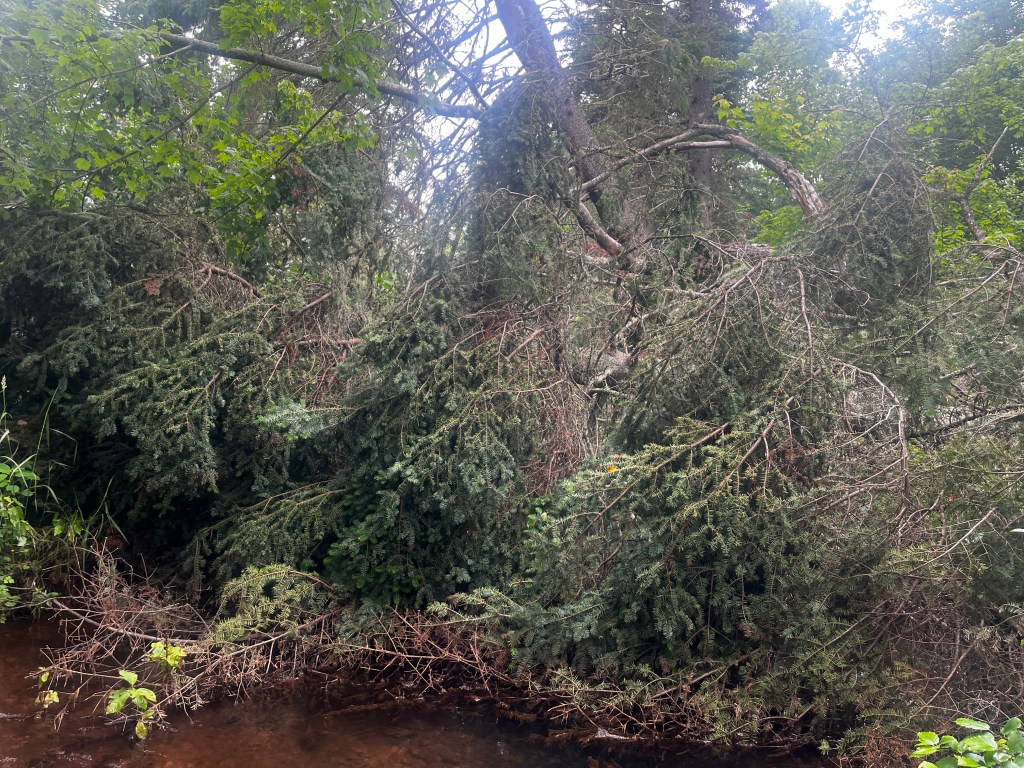
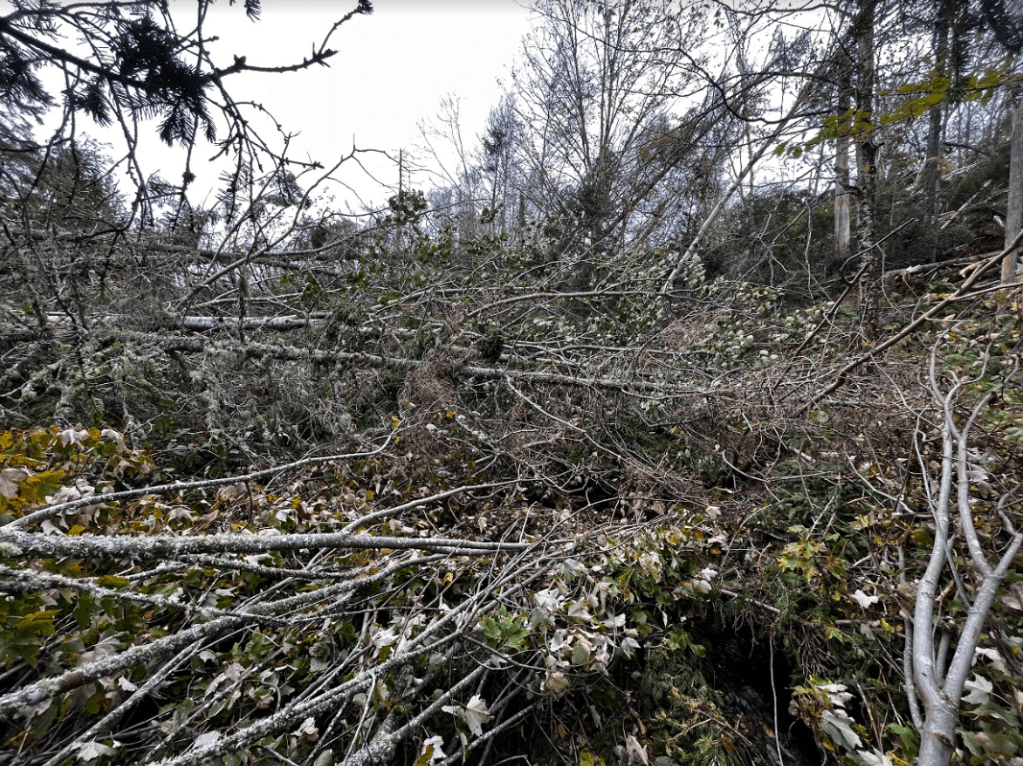
The damage that occurred from Fiona left Islanders in shock. The West River took significant damage that will have consequences for many years to come. CQWF has started cleaning up the mess and ensuring our important spawning grounds remain accessible to migrating Atlantic salmon and brook trout. To date, CQWF removed +60 blockages along the main West River and lower Howell’s Brook. The fallen trees will provide habitat for salmonids but the issue is the sheer volume and timing of the storm. Dozens of blockages plugging the streams will prove challenges to migrating fish and also will slow the stream flow in key spawning areas rendering them not ideal for redd creation with the slower flow velocities. 

CQWF takes pride in being leaders for stream restoration on PEI. CQWF uses a holistic approach when managing sections of streams and considering what the habitat usage is in areas and aligning the major limiting factors that need to be addressed. CQWF managed 38km of river in 2022 and along the way installed 79 brush mats, 93 cover structures, 43 spawning beds, and planted over 1,200 trees!

The work we accomplished during our field season wouldn’t be possible without certain partner collaboration and financial funding support. The following are partners and programs we would like to acknowledge: 

  • Atlantic Salmon Conservation Foundation
  • Abegweit Biodiversity Enhancement Hatchery
  • Canada Summer Jobs Fund
  • Department of Communities Land and Environment
  • Department of Fisheries and Ocean
  • Department of Transportation Infrastructure and Energy
  • Parks Canada
  • Post- Secondary Student Support Program
  • Habitat Stewardship Program
  • Jobs for Youth Program
  • PEI Wildlife Conservation Fund
  • Along with other Watershed groups and many individuals who donated their time and knowledge!
2021 Season

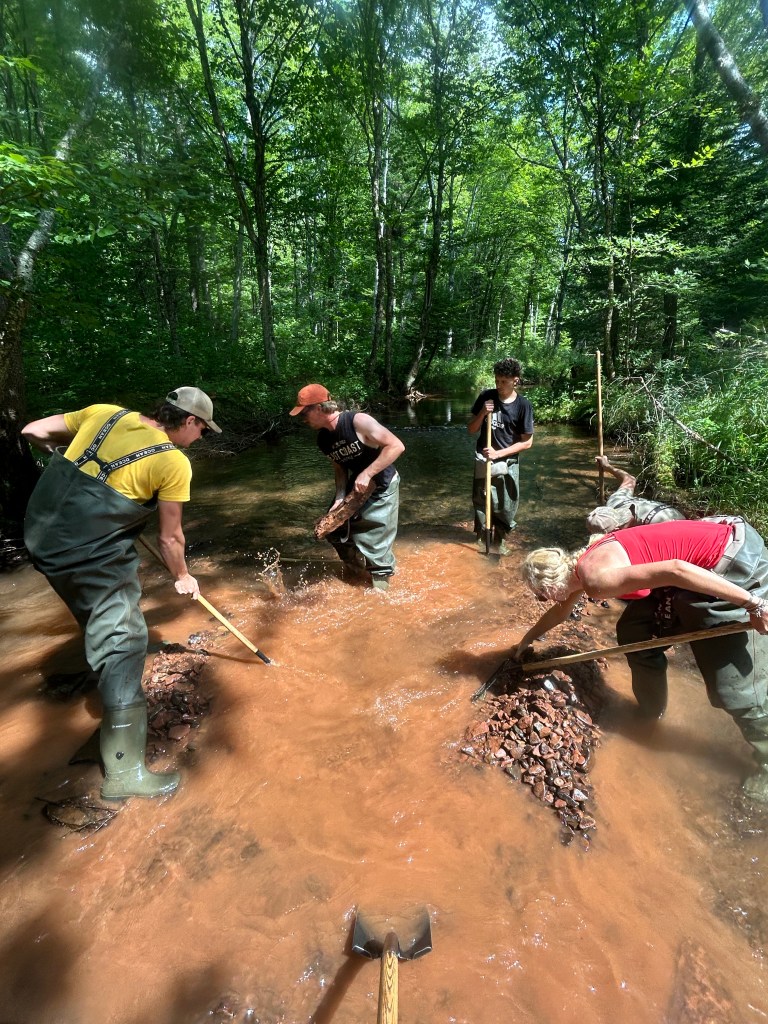
Here’s a recap of the 2021 work season for the Central Queens Branch of the PEI Wildlife Federation (CQWF). CQWF uses a holistic approach to restoring degraded habitat components for both Atlantic salmon and brook trout. During 2021 CQWF enhanced spawning habitat for Atlantic salmon along the mid-section of Howell’s Brook and also along the lower section of the main West River. The reaches utilized spawning beds which consisted of Nova Scotia river rock in a combination with soft engineered structures that altered the hydraulic parameters in order to draw female salmon to spawn over high-quality spawning habitat. Improving spawning habitat is of a high priority since improving spawning habitat can increase embryo survival and translate into juvenile recruitment. This project was funded by the Atlantic Salmon Conservation Foundation.

CQWF focused more time on the Clyde River during 2021 compared to recent years. CQWF initiated the restoration process along a 2.7 km section of the main branch of the Clyde River. An instream sediment trap was re-excavated in the mid reaches of this newly restored area to help capture and remove mobile sediment. This project was funded by the PEI Wildlife Conservation Fund.

CQWF entered the final year of Graduate study with UPEI. Nine redds were monitored throughout the entire incubation period from fall 2020 into spring 2021 and had emergence traps equipped. The results will indicate the emergence period of salmon fry and factors related to a successful emergence. Environmental parameters measured included: flow velocities around the redd, spawning substrate characteristics, and hyporheic dissolved oxygen and temperature.

CQWF took part in the Watershed Alliances Habitat Stewardship Program again in 2021 and installed a wing deflector along the main West River above Black Brook. Other performance measures included: 36 km of river channel maintained, 38 brush mats, 29 spawning areas enhanced, 510 m2 of boulder clusters, 77 cover structures, 1,200 trees/shrubs planted, and a long list of different habitats indicators monitored! 

The work we accomplished during our field season wouldn’t be possible without certain partner collaboration and financial funding support. The following are partners and programs we would like to acknowledge: 

  • Atlantic Salmon Conservation Foundation
  • Abegweit Biodiversity Enhancement Hatchery
  • Canada Summer Jobs fund
  • Department of Communities Land and Environment
  • Department of Fisheries and Ocean
  • Department of Transportation Infrastructure and Energy
  • Parks Canada
  • Post- Secondary Student Support Program
  • Habitat Stewardship Program
  • Jobs for Youth Program
  • University of Prince Edward Island
  • PEI Wildlife Conservation Fund
  • Along with other Watershed groups and many individuals who donated their time and knowledge!
  • 2021 Season

  • Spring/Summer 2014 Volunteer Days

  • Spring Newsletter

2020 Field Season

Though a strange year considering what has been going on around us in 2020 it was still a productive year for the Central Queens Branch of the PEI Wildlife Federation (CQWF)! Our crew focused restoration efforts on Quinn’s Brook and Howell’s Brook, the two main tributaries of the West River by aiming to improve the stream meander sequence along with habitat features utilized by salmonids. Our crew also focused on intensively enhancing specific life stage requirements for Atlantic salmon on Howell’s Brook and in the lower section of the West River. In total some of our performance measurements included: 33.4km of stream channel maintained, 3.4 km of newly restored stream, 71 brush mats, 23 spawning enhancement sites, 5,794m 2 of juvenile riffle habitat enhanced, 4 pool creating structures, 110 cover structures, 1,145 native trees and shrubs planted covering 4,626m 2 and much more other productive work was carried out! In addition to our restoration activities we dug out three of our sediment traps located at: Ross Rd, Mill Rd and the upper end of Carragher’s Pond for a total of 2,000m 3 of sediment permanently removed from the stream channel.

CQWF partnered with UPEI on a Graduate research project regarding Atlantic salmon on the West River. This project is still in the data collection phase and will be ongoing into 2021. Other collaborations that CQWF had during 2020 was with the PEI Watershed Alliance’s Habitat Stewardship Program , which also involved Atlantic salmon expect it involved working with other salmon rivers across the Island and implementing Best Management Projects for salmon habitat restoration. To complement the ongoing salmon habitat restoration work on the West River we had another successful year stocking juvenile salmon in the head water regions of Brookvale and Howell’s Brook with the goal of having these juveniles return as adults to spawn and increase local populations. We had the opportunity to host three volunteer days where our eager volunteers had the chance to plant ~200 trees one day, build one enormous brush mat another and on the last day they learned about redd identification and related restoration work.

The work we accomplished during our field season wouldn’t be possible without certain partner collaboration and financial funding support. The following are partners and programs we would like to acknowledge: Atlantic Salmon Conservation Foundation, Abegweit Biodiversity Enhancement Hatchery, Canada Summer Jobs fund, Department of Communities Land and Environment, Department of Fisheries and Ocean, Department of Transportation Infrastructure and Energy, Parks Canada, Post- Secondary Student Support Program, Jobs for Youth Program , University of Prince Edward Island, and the PEI Wildlife Conservation Fund, along with other Watershed groups and many individuals who donated their time and knowledge!
2019 Field Season

That’s a wrap for our 2019 field season and what a productive season it was! During 2019 our field crew maintained 28 km of stream channel and on top of that we restored ~4 km of new sections of river in the West River and Clyde River watershed areas. While working on these sections of river the goal is to allow the stream to flow freely while maintaining productive salmonid habitat components. The techniques our crew used during our restoration process involved 14 brushmats, 5 new flow deflectors, 78 cover structures, 89 riffles enhanced with boulder clusters, 28 spawning sites and two of our sediment by-pass ponds were re-excavated. Along with our instream activities our crew worked to improve riparian habitat and restore the Acadian forest in other upland areas by planting ~1,600 native trees and shrubs. Many partnerships occurred during these tree planting events which involved; UPEI, Hunter-Clyde Watershed Group, and Parks Canada.

Other projects that occurred over the field season included our salmon fry release in June which resulted in ~30,000 juvenile salmon being released in our headwater regions of Brookvale and Howell’s Brook with the hopes they’ll return in the future and increase our local populations. We partnered with Bluefield High and built a new dock/fishing platform at Carragher’s Pond, which was funded by the Wildlife Conservation Fund. We also hosted two volunteer days and one golf fundraising event and we’d sincerely like to thank everyone who came out and helped out!

Our funding partners were: Atlantic Salmon Conservation Foundation, Wildlife Conservation Fund, Canada Summer Jobs fund, Dept. of Communities, Land & Environment, and the Dept. of Transportation, Infrastructure and Energy. Other project supporters involved the University of Prince Edward Island, the Abegweit Biodiversity Enhancement Hatchery, Parks Canada, and many other watershed groups. Stay in tune for upcoming events for next year and we look forward to another productive year in 2020!

This slideshow requires JavaScript.


2018 Field Season

CQWF had quite the productive field season during 2018! Aside from the 21km of normal stream channel maintenance the field crew restored 2.7 km of stream throughout different areas in the West and Clyde river watersheds. These areas were predominately alders with little diversity and excessive sediment. Some 54 brushmats were constructed this summer to help capture and remove some of the mobile sediment. Other structures that crew installed were 33 full length cover logs, 8 boulder clusters, 32 spawning sites, 1 wing deflector, 1 new by-pass sediment trap and 1 other pond excavation project. On top of the in stream structures the crew planted 1041 trees/shrubs to help restore riparian habitat and improve the buffer zone in certain areas.

CQWF hosted 2 volunteer days and we would like to thank everyone who came and helped out! We would also like to thank our funding partners as we wouldn’t have been able to do the work mentioned above! Our funding partners were: Atlantic Salmon Conservation Foundation, Wildlife Conservation Fund, Dept. of Communities, Land & Environment, Dept. of Fisheries and Oceans, and the Dept. of Transportation, Infrastructure and Energy. We look forward to 2019 and doing more great work for our rivers!
2017 Field Season

That’s a wrap for our 2017 field season! We’ve had a very productive year on the West River and Clyde River. Some highlights of our field season were: ~19km of stream channel maintained clear of major blockages, 23 new brushmats constructed for capturing mobile sediment and restoring proper stream width, 28 full cover logs installed in a variety of locations for salmonid cover, and 22 boulder cluster sites for juvenile and invertebrate habitat. Along with that, we planted ~1200 trees and shrubs along restored sections of river. Our group is very pleased with the work we accomplished over the recent field season, and were even more pleased when we carried out our annual salmon redd count surveys to find 149 redds within our watershed (3 more than last year!).

We’d like to thank and provide recognition to our dedicated and hard working crew and board members, Atlantic Salmon Conservation Foundation, Wildlife Conservation Fund, Watershed Management Fund, and Department of Transportation and Infrastructure for everyone’s support and we look forward to continuing such great work in the future!

This slideshow requires JavaScript.

3rd Annual Golf Fundraiser

We would like to send a huge thanks out to everyone who made it out to our 3rd annual golf fundraiser. With great weather and great golfers it was a grand time! We’d like to thank our sponsors for donating prizes: Phillips Feed, Abegweit Animal Hospital, Kent, Home Depot, Lisa Purcell, Eagles Glenn. We would also like to thank the volunteers who organized this event and Strathgartney Highlands golf course for hosting us!

This slideshow requires JavaScript.