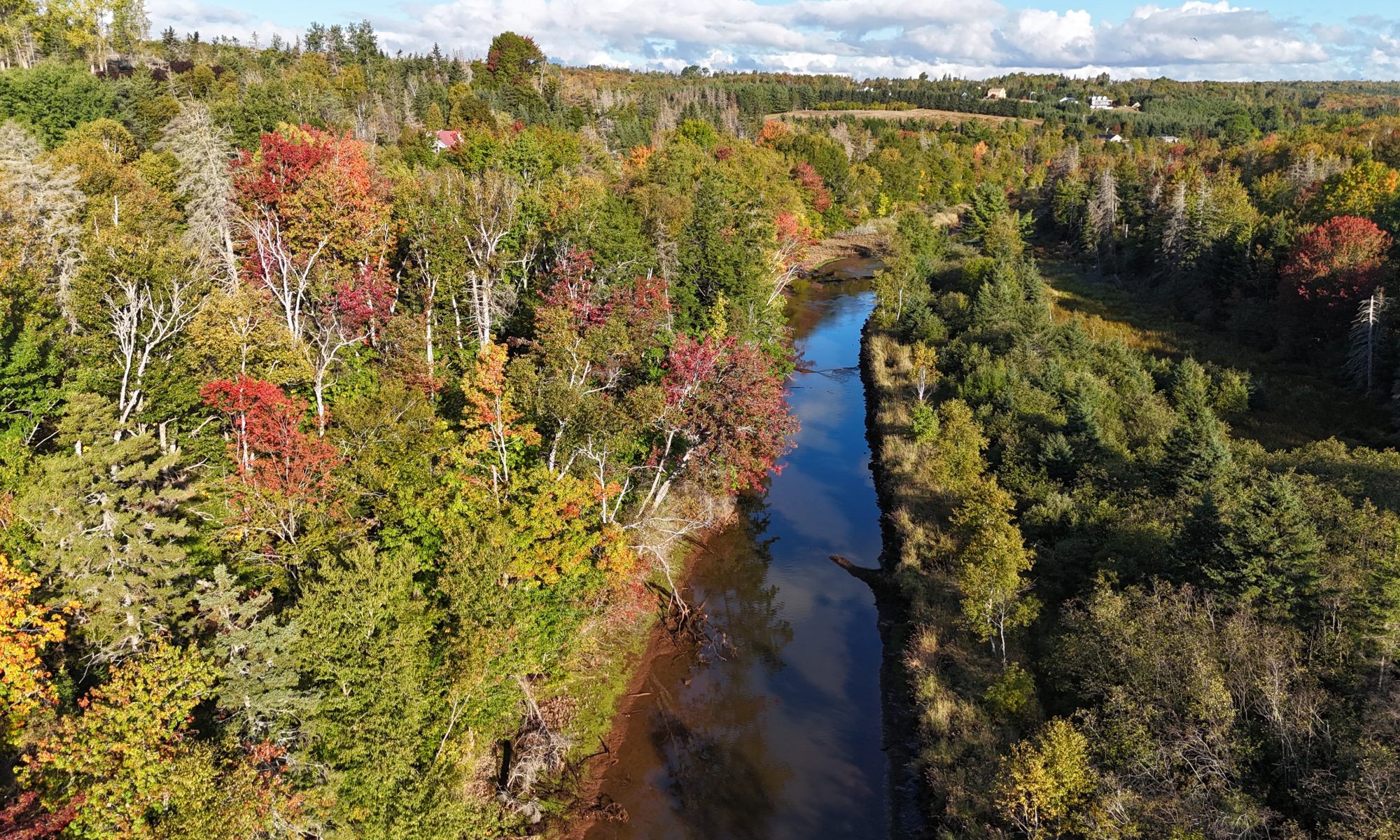

This field season was definitely one for the books! We took on some very interesting projects this summer, and we are so grateful for our summer students who make it all possible.
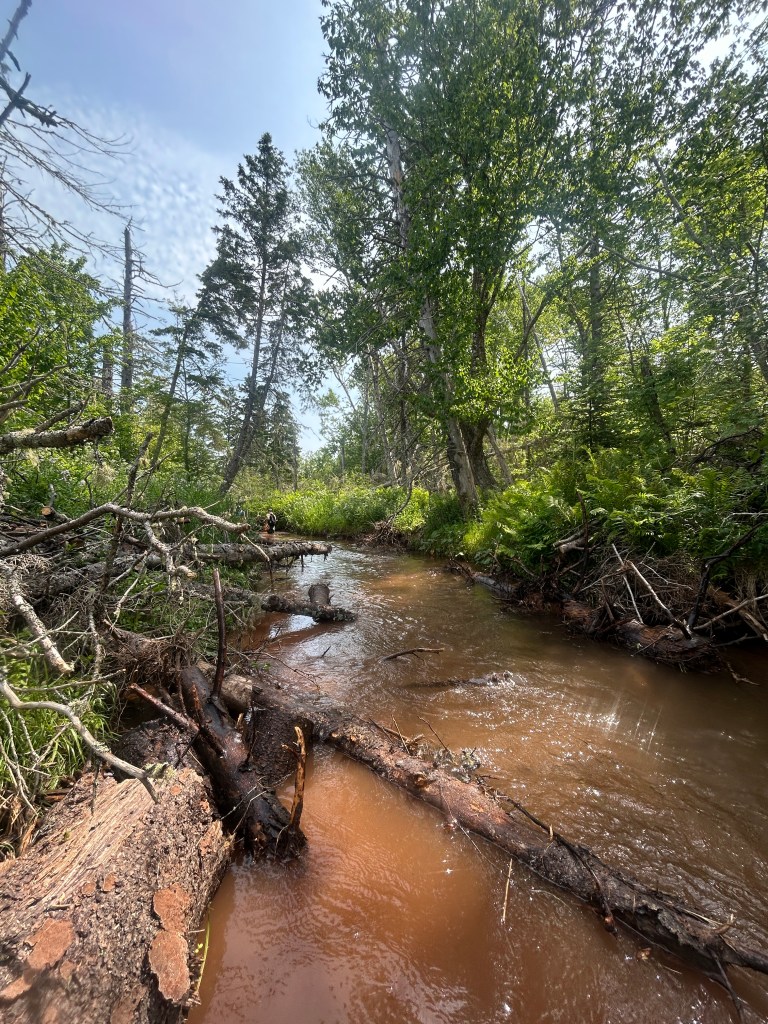
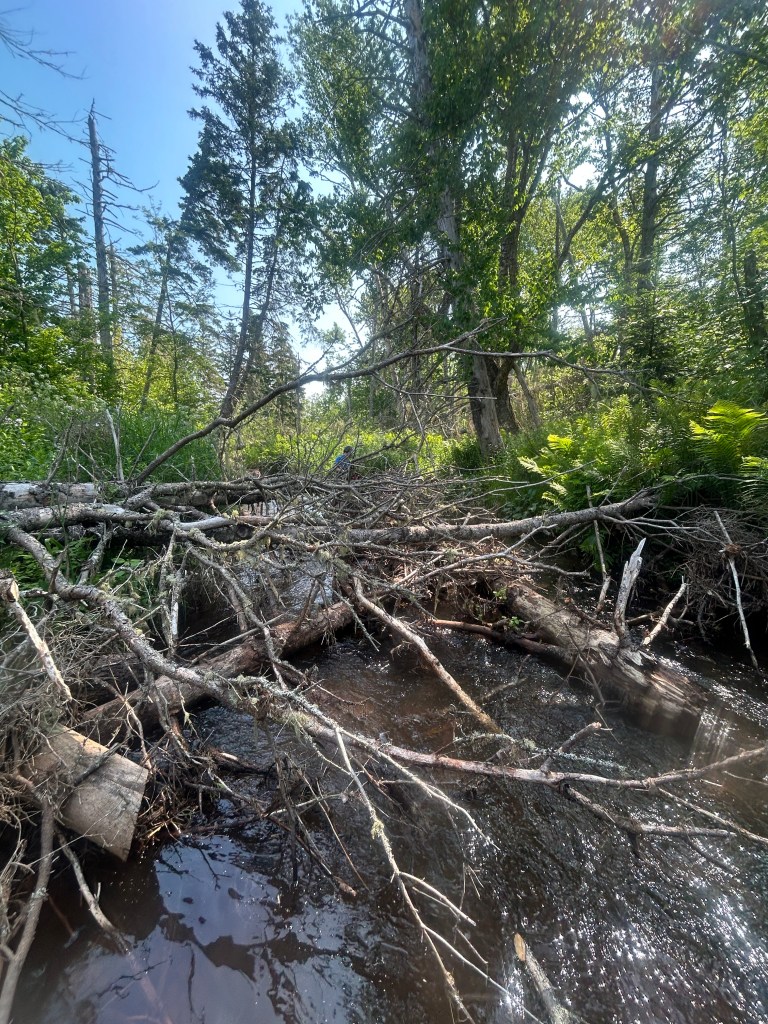
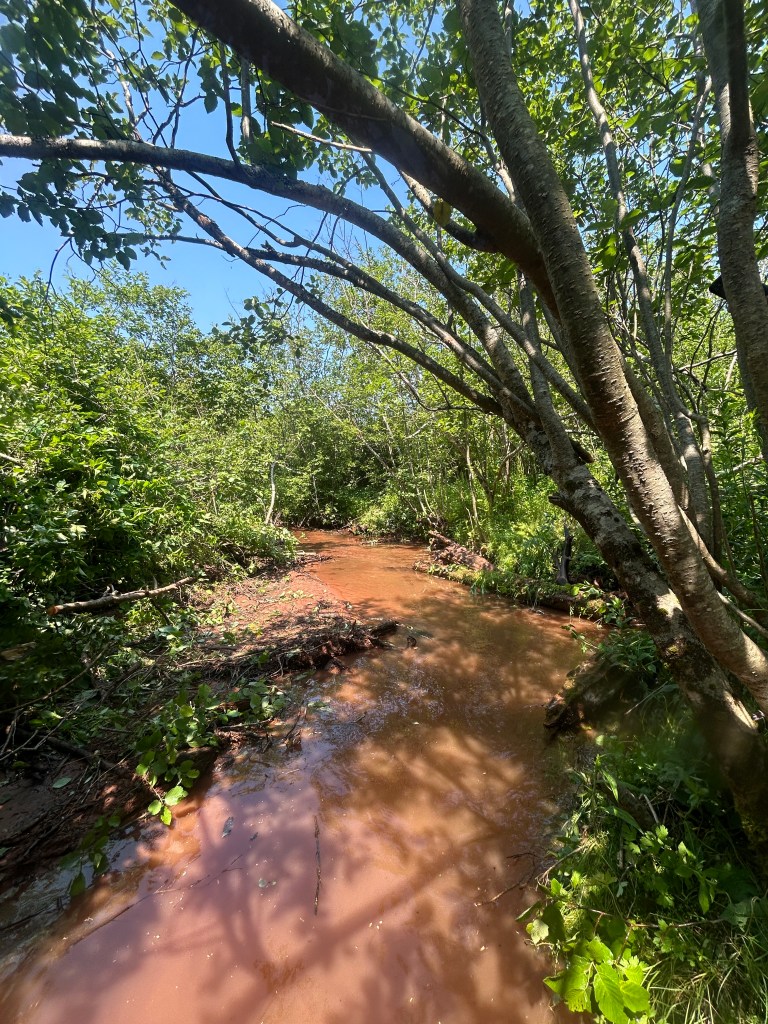
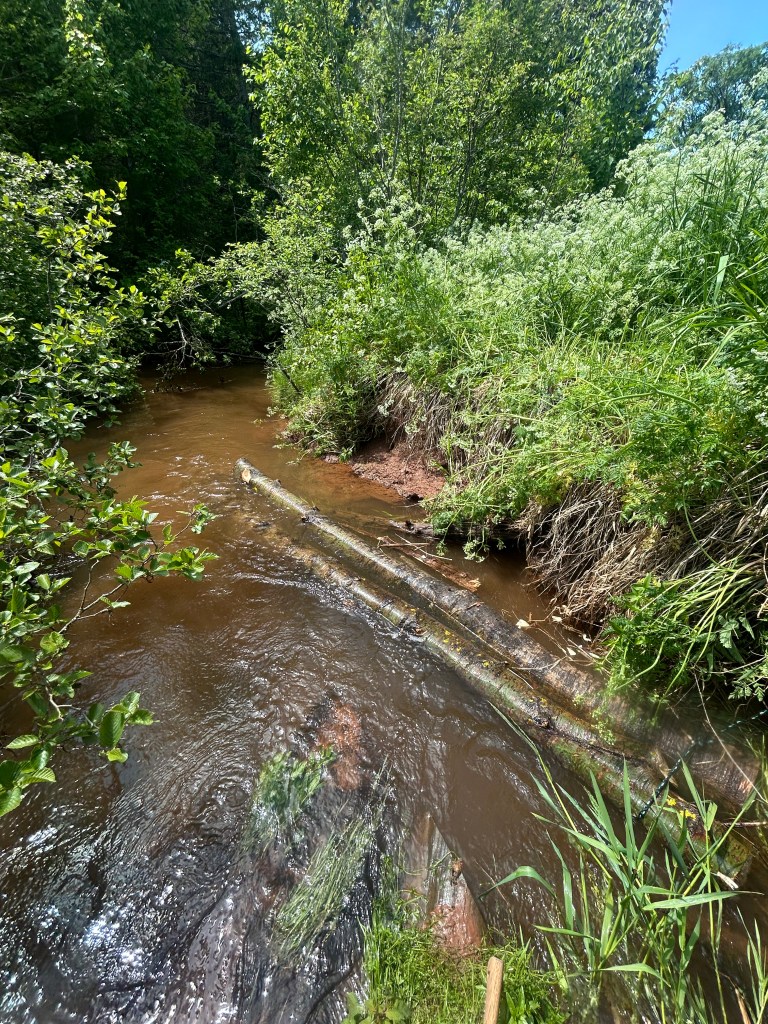
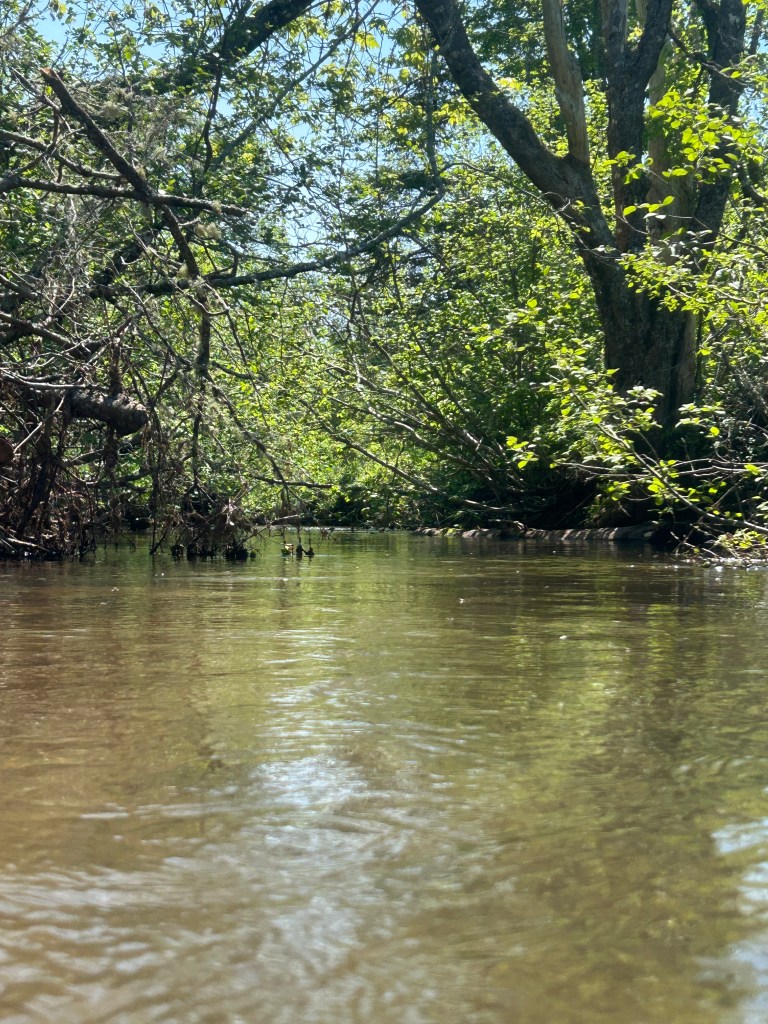
We started the year off strong with our annual canoe route, which allows us to clear the main part of our river early in the season, so the public can enjoy all the West River has to offer. We then started our normal stream maintenance and were able to put in a total of 94 cover structures and 23 brushmats. Our crew worked tirelessly to meet our stream maintenance performance goals this year.
We undertook a very big project in 2025, one that can possibly change the way we collect fish population data on Prince Edward Island in the future. We installed Atlantic Canada’s first Riverwatcher! If you would like to read more about this, please visit our Riverwatcher page.
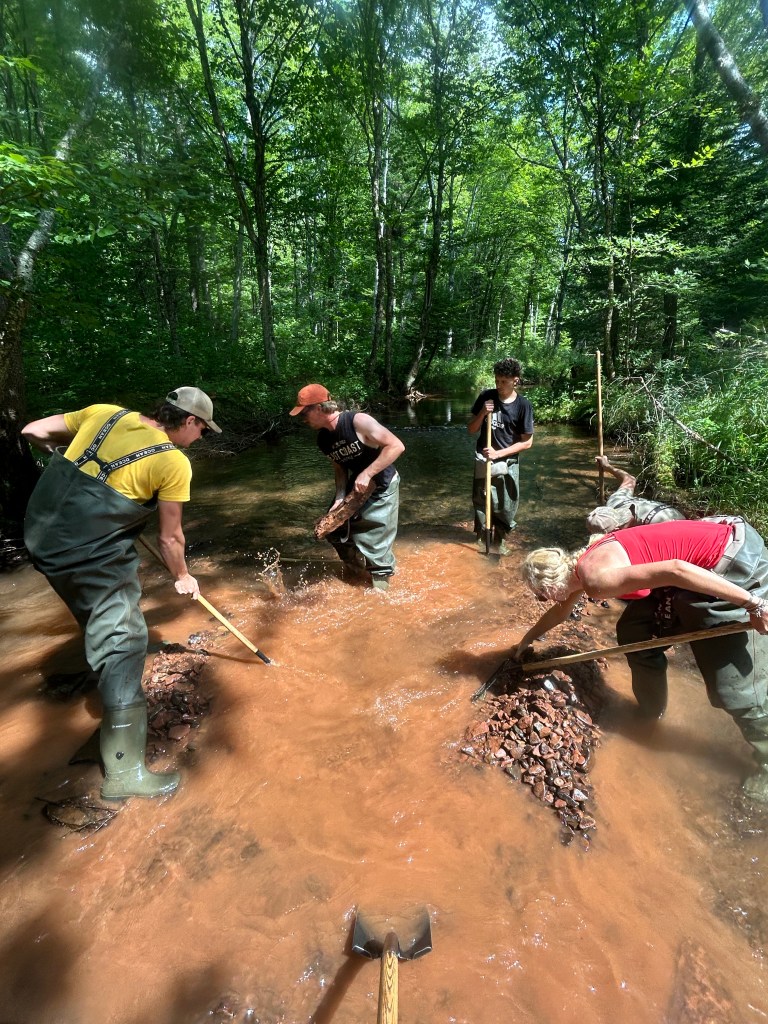
CQWF introduced a more natural method for building Atlantic Salmon spawning beds—moving away from traditional, invasive techniques that use rebar and other artificial materials. Instead, our dedicated crew spent several days hauling in natural rock from Nova Scotia and carefully constructing seven well-designed spawning beds along a section of the West River. These beds were placed in areas where the streambed is primarily shale—a type of substrate that offers poor conditions for salmon to spawn. By strategically adding high-quality spawning gravel and creating more natural structures, we’re aiming to improve habitat conditions and make the river more attractive to Atlantic Salmon.
Support for our Atlantic salmon restoration work this season was graciously supported by The Foundation for Conservation of Atlantic Salmon. This organization provides funding to support our spawning habitat activities and other monitoring ventures.
CQWF installed its first full tree deflector on the main branch of the West River—using natural, low-impact materials like duckbill anchors and rope for support. This innovative structure marks a shift toward more environmentally conscious restoration methods that blend seamlessly with the stream’s natural surroundings. The tree deflector was installed to replace a previously removed crib deflector on the opposite bank. By redirecting flow and encouraging natural sediment movement, the new structure is designed to help the stream gradually return to its desired morphology. As this is our first time implementing a deflector of this kind, we’re excited to monitor its performance over time and assess its potential for broader use in future restoration efforts.
The work we accomplished during our field season wouldn’t be possible without certain partner collaboration and financial funding support. The following are partners and programs we would like to acknowledge:
- The Foundation of Conservation for Atlantic Salmon
- Canada Summer Jobs Fund
- Department of Communities Land and Environment
- Department of Fisheries and Ocean
- Department of Transportation Infrastructure and Energy
- Parks Canada
- Post-Secondary Student Support Program
- Jobs for Youth Program
- PEI Wildlife Conservation Fund
- Along with other Watershed groups and many individuals who donated their time and knowledge!


 Central Queens Branch of the PEI Wildlife Federation